
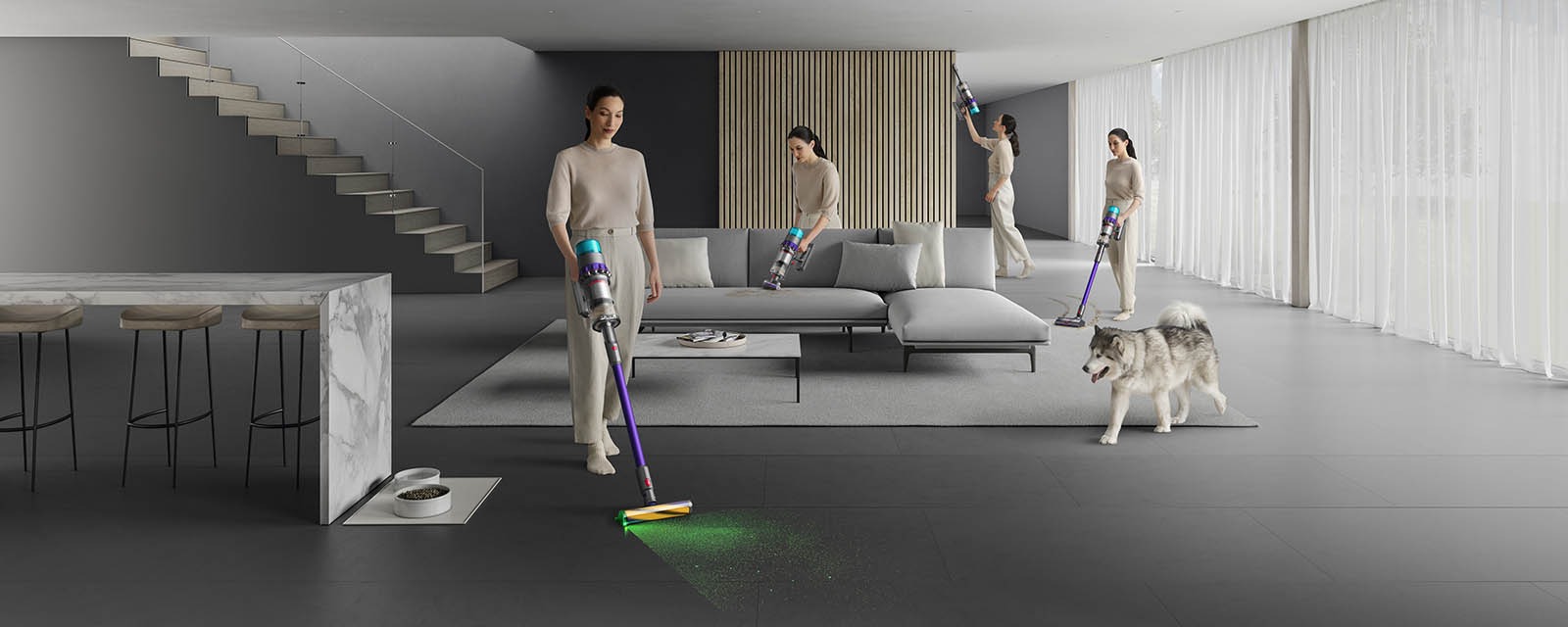
Dyson Gen6 Vacuum Cleaner Launching With Revolutionary Self Cleaning Technology
Most vacuum launches promise stronger suction, but American shoppers have learned to ask a better question: what happens after the floor looks clean? The Dyson Gen6 Vacuum story matters because the next fight in home cleaning is not only dirt pickup. It is hair wrap, bin mess, damp rollers, dust clouds, dock maintenance, and the small annoyances that make people avoid cleaning until the weekend. Dyson has not needed another loud claim as much as it needs a calmer daily machine that cleans itself enough to stay useful. For readers tracking smart-home releases through consumer technology updates, this launch angle points to a larger shift in U.S. homes: people want less hand contact with dirt, fewer parts to scrub, and smarter tools that do not turn a quick sweep into a maintenance session. The real question is simple. Can self cleaning vacuum technology remove the worst parts of vacuum ownership without making the machine heavier, pricier, or harder to trust?
Why Self Cleaning Is the Upgrade Shoppers Actually Feel
A better motor sounds impressive on a product page, yet the part people remember is usually the cleanup after the cleanup. Emptying a bin over a kitchen trash can, pulling hair from a roller with scissors, rinsing a wet head in the sink, or wiping dust from seals is not a premium experience. It is unpaid work attached to a machine that was supposed to save time.
That is why the self-care claim needs to be judged in the laundry room, not in a launch video. A household tool earns trust when the owner reaches for it on a Tuesday night without doing math about cleanup afterward. If the machine feels like a small project, it loses.
The mess after cleaning is the problem nobody brags about
Anyone with a golden retriever, a long-haired teenager, or a jute rug near the front door knows the same pattern. The vacuum works fine for ten minutes, then the brush head starts wearing a gray bracelet of hair. The floor looks better, but the tool looks worse. That is where brand loyalty gets tested.
The strange thing is that most buyers do not complain first about suction. They complain about touch. They hate touching the dirt cup. They hate tapping dust loose and watching a little cloud rise. They hate finding damp lint packed into corners after mopping. A machine can be strong and still feel dirty to own.
This is where allergy-aware shoppers pay attention. Fine dust, pet dander, and old carpet grit do not feel dramatic when they are sitting in a bin, but they become personal when they puff back into the room. A cleaner emptying process can matter as much as pickup for the person standing over the trash.
That is why self cleaning vacuum technology is not a small extra. It changes the emotional part of the chore. If the roller cleans during use, if the dock removes debris neatly, and if the user handles less grime, the vacuum starts to feel like part of the house instead of another thing in the house that needs care.
How wet rollers changed the idea of a vacuum
Wet-and-dry cleaning changed the stakes because water makes dirt more personal. Dry dust is annoying. Dirty water is worse. Once a vacuum starts scrubbing spills, sticky cereal milk, pet paw prints, and dried coffee drops, the machine must deal with waste that smells, clings, and spreads.
The best version of this idea is not a roller you rinse after every pass. It is a roller that is washed as it works, then stripped of dirty water before the next rotation. That means the floor is not being wiped again and again with the same tired strip of fabric. Small detail. Big difference.
A U.S. family kitchen shows the point fast. Think of pancake batter near the island, dog hair beside the sliding door, and fine grit from a garage entry. A normal cordless vacuum cleaner might handle two of those jobs and leave the sticky mess for a mop. A self-rinsing system aims to collapse that two-step habit into one pass, as long as it does not leave streaks or demand a deep clean afterward.
The catch is chemistry and habit. Some spills need water, some need suction, and some need patience. If a wet roller makes the owner slow down for the wrong mess, that is still progress. It teaches a better pass instead of pretending every floor problem is the same.
What the Dyson Gen6 Vacuum Needs to Prove in Real Homes
The new model will not win on a spec sheet alone. Dyson already sells strong cordless machines, and American buyers have plenty of Shark, Tineco, Samsung, Bissell, and Roborock options promising easier floor care. The next Dyson has to prove that its self-care features lower the work you feel, not only the work engineers can measure in a lab.
That means the launch has to speak to owners who already know what premium suction feels like. They are not starting from zero. They are asking whether a newer machine can solve the parts they still dread: wrapped hair, dusty emptying, tank odor, heavy handling, and floor heads that need too many swaps.
A cordless vacuum cleaner has to manage more than suction
Suction still matters, but it is not the whole story. A high-powered machine that tires your wrist, clogs on cereal, or needs a filter wash every few days becomes a weekend tool instead of a daily one. The winning design will balance pull, airflow, battery life, bin shape, floor-head contact, and noise.
That balance gets tested in boring places. Under a dining bench. Along the baseboard behind a shoe rack. Across low-pile carpet where flour disappears into the fibers. If the cleaner head seals too tightly, it can drag. If it floats too loosely, it misses fine dust. The sweet spot is not the highest number. It is the pass that you do not repeat.
Weight matters here, too. Many shoppers focus on runtime, then discover that the limiting factor is the forearm, not the battery. A heavy handle can make stair cleaning feel like a workout. A lighter body with smarter pickup may beat a stronger unit that nobody wants to lift.
Dyson’s current direction already hints at this. The company has leaned into dust sensing, conical rollers, bin compression, and light that reveals fine dirt. Those features make sense only when they help you make better decisions while cleaning. If they turn into a tiny dashboard nobody checks, they become decoration.
The anti tangle brush head may decide pet-home loyalty
Pet owners are not gentle judges. A machine either handles fur, or it does not. One Labrador in a suburban Dallas living room can expose weak brush design in a week. Add a wool rug, a fabric sofa, and a child who drops snack crumbs, and the floor head becomes the whole story.
An anti tangle brush head matters because hair wrap is not only ugly. It changes pickup. It makes rollers uneven. It can add strain and noise. It also makes the owner do the one job vacuum brands rarely show in ads: kneeling on the floor with scissors and pulling lint from a spinning part.
The counterintuitive part is that a softer, stranger-looking head may beat a more aggressive brush in normal homes. Stiff bristles can look serious, but they can fling debris or grab hair too tightly. Conical or combed designs can guide strands away from the roller before they become a knot. Less drama can mean better cleaning.
A second test is edge work. Pet hair loves the line where hardwood meets baseboard and the strip beside sofa legs. If the head handles the open floor but leaves those borders behind, owners notice. Nobody wants to swap tools for every wall.
The Smart Features Must Save Time, Not Add Screens
A smarter vacuum should make fewer demands on the user, not more. People do not want another app they open twice and forget. They want a cleaner that notices dirt, adjusts its behavior, warns before performance drops, and then stays out of the way. That is a high bar because smart-home products often confuse attention with value.
The stronger idea is quiet automation. Not a vacuum that talks too much. Not a screen full of tiny claims. A machine that changes suction on a rug, protects battery on a clean hallway, and tells you when a filter needs care has done enough.
Dust sensors should guide behavior quietly
Dust sensors are useful when they answer a real question: am I done here? Fine dust on hard floors can hide in bright kitchens, especially near windows where sunlight exposes one angle and misses another. A sensor-backed display or light can stop guesswork, but only if the feedback is plain.
The best experience would feel calm. More dirt means stronger pickup. Cleaner air path means a visible sign to move on. Low battery means a clear estimate, not a vague icon. Maintenance alerts should name the part and the fix. Nobody wants to decode a symbol while standing in a hallway with a half-clean floor.
There is a risk, though. Too much feedback can make people clean worse because they start chasing numbers instead of rooms. A good cordless vacuum cleaner should support judgment. It should not make the owner feel graded.
A useful display should feel like a speedometer, not a lecture. You glance at it, adjust, and keep moving. If it pulls attention away from the couch edge or the cereal under the table, the feature is backwards.
The dock may become the real product
The dock used to be a hanger. Then it became a charger. Now it is becoming a cleaning station, and that might matter more than the vacuum body. If a dock can empty dust, rinse wet parts, refill clean water, manage dirty water, and charge the battery, it turns the vacuum into a system.
That system has to earn its counter space. In a small Chicago apartment, a tall dock in the corner is not invisible. In a Phoenix home with tile floors and pets, it may be worth every inch. The value depends on whether the dock removes labor or stores it for later in a bigger, smellier container.
Here is the non-obvious test: the dock should be boring after month two. A flashy first week means little. If bags, tanks, seals, and rollers still feel clean after a season of school mornings, rainy shoes, and pet shedding, then the design has crossed from gadget to household equipment.
Should U.S. Buyers Wait or Buy a Current Dyson Now?
A launch headline can create pressure, especially when the product name sounds like the next obvious step. Waiting can be smart, but only when you know what problem you are waiting to solve. Many U.S. homes do not need the newest Dyson. They need the right cleaning format for their floors, pets, storage space, and tolerance for maintenance.
When a launch rumor is useful
A rumored or upcoming model can help you read the market even before you buy. If self-care features are moving into the premium tier, older models may drop in price. Retailers may bundle more attachments. Competing brands may answer with better docks or longer warranties. The launch can save you money without being the machine you choose.
This matters for renters. If you live in a one-bedroom apartment with vinyl plank flooring, no pets, and limited closet space, a slim stick model may be smarter than a full dock setup. If you own a split-level home with carpeted stairs and a shedding dog, a larger bin and stronger head may beat wet cleaning features you rarely use.
It also matters for sale timing. U.S. shoppers often see stronger vacuum discounts around major retail events, holiday weekends, and model refresh periods. A new launch can make an older flagship look better because the price finally matches the way people use it.
The best question is not, “Should I wait?” It is, “What work do I hate now?” If your current vacuum picks up dirt but makes you cut hair from the brush every Sunday, wait for better hair handling or buy a proven anti tangle brush head design. If your pain is dust clouds during emptying, look at bin and dock systems first.
Who should skip the wait
Some buyers should not wait. If your current vacuum has weak battery life, smells after use, or leaves grit underfoot, delaying another six months may cost more in daily irritation than any future feature saves. A cleaner home is not a theory. You feel it when you walk barefoot through the kitchen.
There is also a price truth people forget. First-wave buyers often pay the highest price and discover the rough edges. Early stock may have fewer discounts. Replacement parts can be harder to find. Reviews may take time to separate launch excitement from long-term ownership. Being second can be wise.
The safer choice is to match the machine to the chore you repeat most. A house with wall-to-wall carpet needs different strengths than a condo with sealed wood floors. A pet-heavy home needs hair control before wet cleaning. A parent cleaning after breakfast needs fast emptying more than app charts.
For many households, the better move is to buy a current model if it fits the floor plan, then watch the next release for proof. Self cleaning vacuum technology is worth attention, but it should not turn buyers into unpaid testers. A floor-care tool earns its place by becoming dull in the best way: ready, clean, charged, and easy to use.
Conclusion
The future of premium vacuums is not louder motors or brighter screens. It is less contact with the gross parts of cleaning. That is why this launch angle feels bigger than a normal model refresh. If Dyson can make rollers, bins, docks, and hair management take care of themselves without adding bulk, it will meet the way Americans clean now: often, fast, and between everything else.
The Dyson Gen6 Vacuum should be judged by the minutes it gives back after the floor is done, not by the most dramatic claim on the box. The right test is a month of pet hair, snack crumbs, hallway grit, and sink-side spills. If the machine still feels clean to own after that, the technology has earned trust.
For related buying decisions, compare smart home cleaning upgrades and cordless vacuum maintenance tips before choosing. For indoor health context, the EPA’s indoor air quality guidance is a useful reminder that dust, pet dander, and other household particles are part of a larger home environment. Buy the tool that solves your daily friction, not the one that wins the loudest launch headline.
Frequently Asked Questions
Is the new Dyson worth waiting for if I already own a recent model?
Wait only if your current machine fails at hair wrap, bin emptying, wet messes, or daily convenience. If it still cleans well and parts are easy to maintain, keep it. The biggest gains are likely to matter most for pet owners and busy households.
What does self cleaning mean on a vacuum cleaner?
It usually means the machine reduces manual cleanup through features such as roller washing, automatic emptying, dust compression, or dock-based maintenance. It does not mean the owner never touches the system. Tanks, filters, bags, and rollers still need periodic care.
Will self cleaning vacuum technology help with pet hair?
Yes, if the design handles both pickup and roller maintenance. Pet hair causes trouble when it wraps around brush bars or clogs narrow paths. A good floor head guides hair into the airflow before it can knot around moving parts.
Is a wet-and-dry Dyson better than a separate mop?
It depends on your floors. Wet-and-dry cleaning works well for sealed hard floors, kitchen spills, and light grime. A separate mop may still be better for deep scrubbing, rough tile, old grout, or cleaning products that a vacuum system cannot handle.
How much should buyers expect to pay for a premium Dyson launch?
Premium Dyson launches often sit in the high end of the cordless market. The smarter move is to judge total cost, including filters, bags, batteries, floor heads, and warranty coverage. A cheaper machine can cost more if parts wear fast.
What homes benefit most from an anti tangle brush head?
Homes with pets, long hair, rugs, and mixed flooring benefit most. Hair wrap reduces pickup and creates maintenance work. A head designed to move strands away from the roller can save time and keep performance steadier between cleanups.
Should renters buy a dock-based vacuum system?
Renters should measure storage first. A dock can be helpful in apartments with hard floors and pets, but it needs a stable spot near an outlet. If closet space is tight, a lighter stick vacuum may fit daily life better.
What should I check before buying any new Dyson vacuum?
Check floor compatibility, bin size, battery runtime, weight, attachment support, filter care, warranty terms, and replacement part cost. Then read long-term reviews, not only launch impressions. A vacuum is only good if you still like using it after the first month.