

PlayStation 6 Official Release Date and Price Finally Confirmed by Sony

The headline sounds settled, but the story under it is not. For anyone searching PlayStation 6 news in the United States, the plain answer is this: Sony has discussed its next console plans, yet it has not given shoppers a final launch day or retail tag. That matters because a false countdown can push families into bad timing, rushed trade-ins, or overpriced preorders from sellers who smell panic. The smarter move is to read Sony’s wording like a buyer, not a rumor hunter. Keep your eye on official channels, compare retailer deals, and follow trusted tech and gaming news coverage when the next wave of console chatter starts moving. The next system is coming because the PlayStation business still has a massive active base, deep first-party studios, and a hardware path beyond PS5. The part that remains open is when Sony can ship it at a number American buyers will accept without choking demand on day one. That gap between “planned” and “priced” is where most bad advice lives.

What Sony Has Actually Said About PlayStation 6 Timing

Sony’s message is less exciting than the headline, but far more useful. The company has signaled that next-generation platform planning is active, while the public timing remains unsettled. That leaves buyers in a strange middle lane. You can see the shape of the next cycle, yet you cannot circle a date on the calendar or price a holiday budget around it. Sony next console planning should be read through that lens: real work is happening, but the retail promise has not arrived.

Why the wording matters for buyers

Console companies choose their words with care. When Sony says no decision has been made on timing or pricing for next-generation platforms, that is not casual language. It means the company still has moving parts on cost, supply, marketing, and launch shape. A launch date is not only a day on a press release. It is a promise that factories, retailers, studios, shipping partners, and customer support can all meet at once.

That is why the PS6 release date question should be treated like a budget issue, not gossip. A college student in Texas saving from summer work needs a different answer than a parent in Ohio planning a Christmas gift. A vague rumor does not help either person. A public decision from Sony would. Until then, the safest calendar is your own: when your current console stops meeting your needs, when the games you want exist, and when your budget can handle the full setup.

The non-obvious part is that silence can help buyers. When a company has not locked the date, it may still be protecting itself from a rushed launch. A slower answer can mean fewer empty shelves, fewer bundle traps, and fewer day-one headaches. Waiting for a real date feels dull, but dull beats guessing with money. A strong launch is often built by saying less until the machine, store page, and software lineup can all stand together.

What the memory shortage changes

The next console is not being planned in a clean market. Memory costs and supply pressure now sit in the background of every hardware decision. If RAM and storage stay expensive, Sony has three broad choices: charge more, trim costs elsewhere, or change how the machine is sold. None of those choices is painless. A console can be powerful on paper and still fail the family-budget test at checkout.

Think about a Best Buy shelf in November. A console is not competing only with another console. It is competing with laptops, phones, tablets, TVs, and groceries sitting in the same household budget. If the box lands too high, some buyers will wait, no matter how strong the specs look. That is why Sony’s hardware team and finance team are tied together here. A better chip means little if the final package scares off the middle of the market.

The strange insight here is that Sony may care as much about the first six months after launch as launch day itself. A cheaper start with weak supply can frustrate people. A higher start with steady supply can slow adoption. The best answer may be less dramatic: a launch plan that leaves room for bundles, trade-in deals, and later price movement instead of one perfect sticker number. In a tight parts market, flexibility can be worth more than a loud reveal.

Why the PS6 Price Could Be Harder to Predict Than Past Consoles

Price used to feel easier to guess. Players looked at the old generation, added a bit for better hardware, and assumed the next box would land near the familiar range. That old habit now feels shaky. The PS6 price sits inside a market where parts cost more, digital stores matter more, and console makers are less eager to lose money on hardware for years. A console is now an entry point into services, subscriptions, controllers, storage, and digital libraries.

The old $499 logic may not survive

The PS5 launched in the United States with a disc model at $499.99 and a digital model at $399.99. That history still shapes buyer expectations. Many players see $499 as the mental ceiling for a standard console because that number worked before. The problem is that the market around that number has changed. Labor, shipping, storage, chips, and currency swings can all bend a launch plan before the public sees it.

Sony later introduced PS5 Pro at a much higher tag, and U.S. PS5 pricing moved upward after launch. That does not prove the next base console will be priced like a Pro model. It does show that Sony is willing to defend margin when costs rise. American shoppers should treat the old price ladder as a reference point, not a rule. The console business has moved away from the simple idea that each new generation must cost the same as the last one.

A practical example: a family choosing between a $549 current console bundle and waiting for the next model may assume the new box will be only a little higher. That may be wrong. Add a second controller, a year of online service, a headset, and two games, and the real first-week cost can climb fast. The box price is only the front door. The living-room price is the number that hits the card.

Bundles may hide the real cost

The PS6 price may not arrive as a single clean number for every buyer. Sony could lead with more than one model, a disc option, a digital option, storage tiers, or retailer bundles. Even if the base number looks fair, the version most people can find during launch month may cost more. That is not always a trick. Sometimes it is how retailers manage limited stock and keep margins from thin hardware sales.

This is where buyers get caught. A console advertised at one price can be hard to find without accessories, gift cards, or games packed in. Retailers love bundles because they raise basket size. Parents hate them when the “available” option costs $150 more than expected. A launch-week buyer in Florida may see a clean advertised number online, then find only a forced bundle in store. That gap can turn excitement into resentment fast.

The counterintuitive lesson is that the lowest official number may not be the number that matters. The better number is the realistic checkout price at Walmart, Target, Amazon, GameStop, or PlayStation Direct during the first ninety days. That is the price families should plan around. For more buying context, a future PS5 buying guide can help readers compare today’s deals against the wait. The safest budget adds room for one unwanted surprise, because launch windows almost always bring one.

Should You Wait or Buy a PS5 in the United States?

Once the official story is stripped down, the buyer question becomes simple: do you wait, or do you play now? The answer depends less on loyalty and more on your living room. A console is not an investment account. It is a machine for nights, weekends, friends, kids, and the games you have been putting off. That makes the choice personal in a way rumor pages rarely admit.

When waiting makes sense

Waiting makes sense if you already own a PS5, play only a few new games each year, or care most about performance in future titles. If your backlog is full and your current setup still feels good, there is no strong reason to chase noise. The PS6 release date can stay on your watchlist without taking over your plans. A patient owner can also learn from early reviews, heat reports, storage tests, and controller feedback before spending.

Waiting also makes sense for players who buy once and keep a console for seven years. Those buyers should not rush into a late-cycle purchase unless the deal is strong. A patient buyer in California with a working PS4 or gaming PC may be better off saving cash, watching official announcements, and letting early adopters absorb the launch risk. First models can be fine, but the first wave also teaches everyone what Sony got right and what needs a patch.

The less obvious point is that waiting is easier when you define what would change your mind. Maybe you need full backward compatibility. Maybe you need a launch game from Naughty Dog, Santa Monica Studio, or Insomniac. Maybe you need a base unit under a certain number. Without those personal rules, waiting turns into endless refreshes. A clear rule turns the rumor cycle into background noise.

When buying now is smarter

Buying now makes sense if you do not own a PS5 and the games you want are already here. Current hardware has a deep library, stronger storage options than early adopters had, and frequent sales on older titles. The best console is often the one that gives you a year of actual play instead of a year of rumor tracking. That sounds plain, but it is where many buyers regain control.

Take a teenager who wants Spider-Man, Gran Turismo, Fortnite, sports games, and a few couch co-op titles. Waiting for an unknown machine may steal a full school year of fun. If a clean bundle appears near Black Friday, buying now can be the sane move, not the impatient one. The same applies to adults who play two nights a week after work. A year of use has value, even if a newer box arrives later.

There is also a resale angle. A well-kept PS5 bought on discount may still hold enough value to soften a later upgrade. You do not need to frame the choice as forever. You can buy for the next two years, keep the box, protect the controller, and trade later if the new system earns its price. A console comparison breakdown can make that choice easier once Sony shares firmer details. Good buying is less about being first and more about avoiding regret.

What Sony Must Prove Before Launch Day

A new console cannot win on mystery. Sony has to show why the next box deserves space under the TV at a time when current hardware still works, PC handhelds are gaining attention, and subscriptions have trained players to think beyond plastic cases. The launch pitch must feel concrete enough for normal buyers, not only spec watchers. Sony next console reveal has to answer a daily-life question: what feels better every time you sit down?

Power alone will not win the living room

Raw power helps, but it rarely explains a $600-plus purchase to a household. Parents do not buy teraflops. They buy quiet hardware, quick setup, durable controllers, safe accounts, and games their kids will use for more than two weekends. Serious players want frame rates and visual options, but they also want fewer patches that break the mood after work. If the machine saves time, lowers friction, and protects past purchases, the pitch gets stronger.

Sony has an advantage here because the PlayStation brand already lives in millions of American homes. Its official Sony sales data shows a broad PS5 base and a large active network audience. That gives the next system a runway, but it also raises the bar. People with good current hardware need a reason beyond “new.” The upgrade has to feel visible on a normal TV, not only in side-by-side videos watched by enthusiasts.

The non-obvious risk is comfort. If PS5 remains good enough, the next console has to fight satisfaction, not failure. That is harder than fixing an unpopular machine. Sony must make the upgrade feel like a clear lift in daily use, from downloads to storage to party chat to how older games behave. The best version of the pitch is not “look how much faster it is.” It is “you will notice this every night.”

The first-year library must feel worth it

Launch games carry the emotional weight. A console can have smart design and still feel hollow if buyers see the same cross-gen releases for too long. Cross-gen support helps late buyers and keeps communities together, but it can also blur the reason to upgrade. If every major game still feels built around older hardware, the new box starts to look optional.

A strong first year does not need ten exclusives. It needs a few games that show why the new hardware exists. One big single-player showpiece, one social game that runs better than anything before it, and clear upgrades for existing libraries can do more than a long list of thin promises. Players remember moments, not spec sheets. The first time a game loads, moves, and reacts in a way the old box could not, the purchase starts to make sense.

Sony should also explain backward compatibility early. American families have money tied up in digital libraries, discs, controllers, storage, and subscriptions. If the next console respects those purchases, the upgrade feels safer. If it muddies the answer, buyers will wait. Trust is part of the hardware. So is patience. A clear plan in plain English may sell more systems than another shiny trailer.

Conclusion

The smart read is simple: treat the headline as a search signal, not a shopping instruction. Sony has opened the door to next-generation planning, but buyers still need the two details that matter most: a fixed launch window and a real retail number. Until those arrive, the best move is to separate official language from rumor traffic and plan around your own gaming life. The PlayStation 6 may become the next must-have console, but it has to earn that status with price clarity, a strong first-year library, and a launch plan that respects household budgets. If you already have plenty to play, patience is power. If you do not, a good PS5 deal can still make sense. Watch Sony, ignore fake preorder pages, and make the choice when the facts are solid. That is how you beat the hype without missing the moment.

Frequently Asked Questions

Has Sony confirmed the PS6 release date?

No final launch date has been announced. Sony has discussed planning for next-generation platforms, but public timing remains open. Treat any exact day, month, or preorder page as unverified unless it appears on an official Sony or PlayStation channel.

What is the expected PS6 price in the United States?

There is no official U.S. price yet. Any estimate should be treated as a guess until Sony publishes retail details. Buyers should budget for the console, sales tax, games, online service, and accessories rather than focusing only on the base box.

Is it worth waiting for the next PlayStation console?

Waiting makes sense if you already own a PS5, have a large backlog, or want the first wave of confirmed launch games before spending. Buying now can make sense if current games already match what you want to play.

Will PS5 games work on the next Sony console?

Sony has not published the final compatibility plan for the next system. Backward compatibility would make the upgrade easier for current owners, but buyers should wait for official details before assuming every disc, download, save file, or accessory will carry over.

Should I buy a PS5 Pro or wait for PS6?

A PS5 Pro makes sense for players who want stronger current-generation performance now and have a display that can show the difference. Waiting fits players who can live with their current setup and want a longer hardware cycle from their next purchase.

When will preorders for the next PlayStation open?

Preorders have not opened. Real preorders should appear through PlayStation Direct and major retailers only after Sony announces timing, pricing, and launch regions. Avoid deposit requests from unknown sites because console rumors attract scams.

Why is the next console price hard to predict?

Hardware costs, memory supply, storage choices, model options, and retailer bundles can all change the final checkout number. The official base price may not match what most shoppers see during the first weeks of launch demand.

What should parents know before buying a new console?

Set a full budget before launch hype starts. Include the console, controller, games, online membership, warranty choice, and possible storage needs. Also check parental controls, account setup, refund rules, and whether the games your family wants are available now.

Samsung 98 Inch QLED TV Price Drops to Shocking New Low

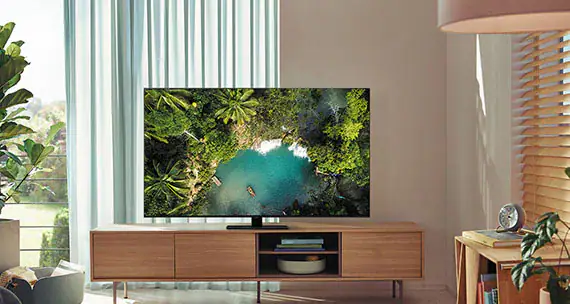
A giant television used to feel like a rich-person mistake, the kind of purchase that made sense only in a basement with theater seats and a popcorn machine. That is why the current 98 Inch QLED discount has people paying attention. For U.S. shoppers, the story is not only “big TV gets cheaper.” It is that a screen close to projector size has moved into the same mental shopping zone as sofas, sectionals, and midrange appliances. A Samsung QLED sale near the two-thousand-dollar mark changes the question from fantasy to floor plan. You still need a wall, a strong mount, and honest math about your room. But the old answer, “too expensive for normal homes,” does not land the same way now. Shoppers who follow consumer tech price shifts know this pattern well: once a premium size drops hard, the whole category starts to feel less rare. The smart buyer will not rush because the number looks wild. The smart buyer will ask whether this big screen TV deal fits the room, the content, and the next five years of use.

Why the 98 Inch QLED Price Drop Feels Bigger Than a Normal Sale

The first reaction is easy: that is a huge television for the money. The better reaction is slower. A screen this large changes how a living room works, and that is why the price drop has more weight than a standard weekend discount. A $500 cut on a small bedroom TV is pleasant. A deep markdown on a near-wall-sized Samsung screen can change what a family thinks is possible. The sale also lands at a time when many U.S. homes already have the streaming apps, consoles, and sports habits that make a huge screen feel useful from day one.

A Living Room Screen Has Crossed Into Normal Buyer Math

For years, huge TVs lived in a strange middle space. They were easier to use than projectors but too costly for most families who wanted a Saturday football setup. That gap kept many buyers at 75 or 85 inches, even when their room could handle more. Now the price movement makes a 98-inch set feel less like a stunt.

That does not mean the purchase is casual. The box is massive. Delivery matters. Wall strength matters. A narrow stairwell can turn a good online order into a bad afternoon. Still, the math has changed. A buyer in Dallas with a 15-foot family room may now compare this screen against a premium 85-inch model instead of against a projector.

The counterintuitive part is that the giant screen may feel less wasteful than a smaller “better” TV in the wrong room. If your sofa sits far back, a sharper panel at 65 inches can feel underwhelming. Size has its own kind of picture quality because it lets your eyes catch faces, score bugs, subtitles, and background detail without strain.

The Price Is Only Part of the Room Decision

A low price can hide the second bill. Mounting, delivery, installation, HDMI cable runs, a soundbar, and furniture changes may add more than you expect. This is where many buyers talk themselves into a deal, then get annoyed when the room needs work.

Think about a split-level home in Ohio. The buyer sees the sale price, measures the wall, and clicks. The TV arrives, but the old media stand sits too low, the window glare lands across the panel at 4 p.m., and the sound feels thin because the screen overpowers the room. None of that means the TV was a bad buy. It means the screen became a room project.

That is the part deal pages rarely discuss. A home theater TV at this size is not one object. It is a setup. When the price drops, you have more budget left to make the setup work, and that may be the true win. The better way to think about the discount is as a space upgrade, not a gadget upgrade. Maybe you stop paying for a projector screen. Maybe you skip the extra basement renovation. Maybe you accept a plain soundbar now and add rear speakers later.

What the New Low Means for U.S. Buyers

The U.S. TV market loves big numbers: inches, refresh rates, brightness claims, and discount percentages. The problem is that not every number has equal meaning. A price drop on a Samsung set matters because shoppers already know the brand, but the better question is whether this model fits the way Americans watch now: sports, streaming, console gaming, YouTube, and family movie nights with the lights half on. A deal that looks wild on a product page may still fail if it ignores the room where the screen will live.

Big Sizes Are No Longer Only for Custom Install Homes

The old version of a large-screen room had dark paint, a receiver rack, hidden speakers, and one family member who knew how everything worked. That setup is still great. But it is no longer the only path. A giant QLED panel can sit in a regular suburban living room and wake up with a remote, an app, or a console.

That matters for buyers who want less fuss. A projector may give you scale, but it often asks for more control over light. A big QLED can handle a brighter room better, especially when kids are walking through, someone is cooking nearby, or the blinds stay open during an early NFL game. Simple wins.

A big screen TV deal also changes shared viewing. In an open-plan home, people may watch from the kitchen island, the sectional, and the hallway during a game. The screen does not need to create a private cinema mood every time. Sometimes it needs to be visible from the messy middle of family life. A parent folds laundry during the second quarter. A teenager checks the game from the breakfast bar. Guests talk over the pregame show. In that setting, size is not excess. It is function.

Why Cheap Can Still Be the Wrong Buy

A low sticker price can push people into ignoring model differences. Samsung sells several large-screen tiers, and the name on the box does not tell the whole story. Some models focus on size and value. Others add stronger backlighting, higher motion handling, anti-glare features, or richer contrast.

That is where the buyer has to be honest. If you mostly watch cable news, sitcoms, and Sunday games, the value model may be plenty. If you watch movies at night and care about dark-room contrast, you may notice blooming, black-level limits, or uneven shadow detail. The bigger the screen, the harder it is to hide flaws.

The surprise is that bargain hunting gets more demanding as the screen gets larger. On a 43-inch TV, a weak scene may pass. On a 98-inch screen, flaws walk across the wall. Price matters, but scale makes picture traits louder. This is also why reviews from smaller sizes can mislead you. A 65-inch version of a series may get praise, while the giant version uses a different panel source, different dimming behavior, or a different stand design. Read the exact-size details like someone who has to live with the box in the room.

How to Judge the Samsung Deal Before You Click Buy

Once the price makes sense, the buying process should get more careful, not less. Large TVs reward patient shoppers. Before you chase the sale timer, read the model name, compare retailer terms, and check whether the deal includes delivery or installation. A cheap checkout can lose its charm when the return window gets complicated. The goal is not to beat the internet to a sale. The goal is to avoid turning a discount into a bulky return problem. This matters more with oversized sets because the return is not a quick counter visit. You may need repacking help, a pickup window, and a second person who can move the TV without twisting the panel. A careful ten minutes before buying can save a full weekend after delivery, plus the awkward phone calls that follow.

Check Model Year, Panel Type, and Brightness Claims

Model names matter. A 2025 QLED value model and a high-end Neo QLED model can both carry Samsung branding and a huge screen size, yet sit in different worlds. One may be built to make size affordable. The other may chase stronger contrast, better dimming, and higher brightness. Same brand. Different buyer.

Do not shop by inches alone. Look at refresh rate, HDMI ports, gaming features, HDR support, warranty terms, and return policy. Console owners should care about input features. Sports fans should care about motion. Movie fans should care about black levels and how the panel handles dim scenes.

Here is a plain way to sort it:

  1. Choose the room first, not the TV.
  2. Choose the content you watch most.
  3. Pick the model that handles that content well.
  4. Treat the sale price as the final filter, not the first one.

That order saves people from buying the largest possible screen and then living with the wrong trade-offs. A Samsung QLED sale is tempting, but the right model is the one that matches your room after the excitement cools. Retail wording also deserves suspicion. “Class” size, smart platform names, processor names, and marketing badges can crowd the page until the real specs feel hidden. Slow down and look for the pieces that change daily use: ports, brightness behavior, viewing angles, stand width, and mounting pattern.

Measure Seating Distance Before You Measure the Wall

Wall width is the number everyone checks. Seating distance is the number that matters more. Samsung’s own guidance for its 98-inch class TVs points to about 9.8 feet as an optimal viewing distance, which means many American living rooms can handle the size better than buyers assume.

Still, comfort varies. If your sofa sits eight feet away, the screen may feel bold during movies and too dominant for casual news. If your sofa sits fourteen feet away, the size may feel natural. This is why tape on the wall helps. Mark the screen width and height, then sit down for ten minutes. Do not glance at it. Live with it.

A TV buying guide for large rooms should start with habits, not specs. Where do people sit? Does someone watch from an angle? Is there a window across from the wall? Will the TV sit above a fireplace? These boring questions save money because they expose fit problems before the truck arrives. There is another quiet test: turn your head. If your seating position makes you scan the screen like a tennis match, you may be too close.

Where This Deal Fits Against Projectors, OLEDs, and Mini LED Rivals

A lower price does not make one TV the best choice for everyone. It makes the comparison more interesting. Buyers looking at a huge Samsung QLED are often choosing among three paths: a projector for the largest image, an OLED for richer dark-room performance, or a Mini LED set from Samsung, TCL, Hisense, Sony, or another rival. The answer depends on how you live. A careful shopper should compare screens by behavior, not bragging rights. That means asking how the screen acts at noon, at night, during a fast game, and when someone sits off to the side. The winner is not always the model with the loudest sale badge. It is the screen that disappears into your routine after the first week.

A Giant TV Beats a Projector in Normal Family Rooms

Projectors still have charm. A 120-inch image can feel like an event, and for a dark basement, the right projector setup can be fantastic. But the average family room is not a theater. It has lamps, windows, pets, snacks, and people who do not want to learn a small system every time they watch TV.

That is where a huge QLED panel wins. It turns on fast, stays bright, and does not require a screen to roll down. There is no bulb worry, no throw-distance puzzle, and no argument about whether the room is dark enough. For many homes, that ease beats the extra image size.

The non-obvious insight is that projectors often feel more special but get used less. A large TV may feel less theatrical, yet it becomes part of daily life. If a screen gets used every night, the value story improves fast. Gaming makes that point stronger. A console on a projector can be fun, but lag, lighting, and audio routing can create friction. A big Samsung set is more likely to become the default screen for Madden, Fortnite, racing games, and split-screen nights.

The Better Rival May Be a Smaller Premium Screen

The toughest competitor may not be another huge TV. It may be a smaller premium set. A 77-inch or 83-inch OLED can deliver deeper blacks and better contrast in a dark room. A high-tier Mini LED can bring more precise brightness control. If your room is smaller, either choice may feel better than chasing maximum size.

Still, size has emotional force. For Super Bowl parties, NBA playoffs, UFC nights, and family movies, a 98-inch screen turns casual watching into a shared event. That is why shoppers should not reduce the decision to a spec fight. Specs matter, but the social use of the room matters too.

A home theater TV should fit the way your household acts when people are tired, loud, distracted, or half-watching from the kitchen. For more setup planning, use home theater setup ideas before buying mounts, lights, or speaker gear. Also check ENERGY STAR certified television guidance if power use matters in your buying decision. There is one more rival: doing nothing. If your current 75-inch set still looks good, the sale has to earn its place.

Conclusion

The new low on Samsung’s giant QLED is a sign that oversized TVs are leaving the fantasy aisle and entering normal U.S. living rooms. That does not make the purchase small. It means buyers now need better judgment, not more hype. The 98 Inch QLED deal is strongest for homes with enough seating distance, a wide wall, and a real use case for sports, gaming, movies, or group viewing. It is weaker for tight rooms, glare-heavy spaces, or buyers who care more about perfect black levels than screen scale. The best move is to treat the discount as an opening, then slow down. Measure the room. Check the model. Price the mount and delivery. Compare it against a smaller premium screen before you commit. If the setup fits, this could be the rare home theater TV purchase that feels bold on day one and practical years later. That is the kind of deal worth taking seriously, because the value comes from use, not from the discount banner. Buy the room, not the headline.

Frequently Asked Questions

How much is the Samsung 98-inch QLED TV after the price drop?

Current U.S. retail listings can move fast, but the most talked-about sale range sits near the two-thousand-dollar mark for Samsung’s 98-inch Q7F QLED model. Always check the final checkout page because delivery, installation, taxes, and regional stock can change the real cost.

Is a 98-inch Samsung TV too large for a normal living room?

It can work in many normal living rooms if the sofa sits far enough back and the wall is wide enough. Around ten feet of viewing distance is a useful starting point. Smaller rooms may feel overwhelmed, especially during casual daytime watching.

Is QLED better than OLED for a huge TV?

QLED often makes more sense in bright family rooms because it can deliver strong brightness at a lower price in huge sizes. OLED can look better in dark rooms, especially for movies with shadow detail. Your room matters more than the label.

What should I check before buying a giant Samsung TV?

Measure the wall, seating distance, doorway width, and stand or mount height. Then check the exact model year, return policy, HDMI ports, refresh rate, warranty, and installation terms. The screen size is exciting, but the setup details decide daily comfort.

Is this Samsung TV deal good for sports?

A huge QLED screen can be great for football, basketball, baseball, and UFC nights because the size helps groups see the action from across the room. Motion handling still matters, so compare refresh rate and real buyer feedback before ordering.

Should I buy a 98-inch TV or a projector?

Choose the TV if you want brightness, easy setup, and daily use in a mixed-light room. Choose a projector if you have a darker room, want an even larger image, and do not mind more setup work. Most families will use the TV more often.

Does a 98-inch TV need a soundbar?

A soundbar is strongly recommended. Huge screens make built-in TV speakers feel smaller because the image has so much presence. A midrange soundbar with a subwoofer can make sports, movies, and games feel better without building a full speaker system.

When is the best time to buy a big-screen TV?

Major sale periods like Prime Day season, Black Friday, Cyber Monday, and weeks before the Super Bowl often bring strong TV discounts. Older model-year inventory can also drop when new lineups arrive, so patient shoppers often win.

Tech Upgrade Tips for Better Digital Productivity

A slow laptop can steal more from your day than a packed calendar. The real cost is not the spinning wheel, the frozen tab, or the charger you forgot again; it is the attention you lose every time your tools make you wait. For many Americans working from home, managing side gigs, studying online, or running a small business, digital productivity now depends on how well your tech supports the way you think. Smart upgrades do not always mean buying the newest device. Sometimes the better move is fixing the weak link: a messy file system, poor Wi-Fi, tired accessories, or apps that turn every task into a scavenger hunt. A strong upgrade plan should feel personal, practical, and tied to daily friction, not hype. Even a useful digital visibility resource can remind you that better systems help people show up with more focus, fewer delays, and cleaner execution. The goal is simple: make your technology feel less like another job and more like a quiet assistant that keeps pace with you.

Upgrade the Tools That Touch Your Time First

The best place to begin is not the device with the flashiest ad. Start with the tech you touch most during the day, because tiny slowdowns repeat until they become part of your work rhythm. A five-second delay may sound harmless, but if it happens fifty times during a workday, it becomes a tax on your patience. Americans who split time between laptops, phones, tablets, cloud apps, and video calls need upgrades that remove drag from repeated actions. This is where practical Tech Upgrade Tips matter most: choose changes that give time back every hour, not gear that looks impressive once and then fades into the background.

Choose productivity tools that reduce decision fatigue

The right productivity tools do not make you feel busier. They reduce the number of choices you have to make before doing the work. A calendar that syncs across devices, a task app that shows today’s priorities, and a notes system that stores ideas without turning into clutter can change the shape of a workday.

A common mistake is collecting apps instead of building a system. One app tracks tasks, another stores links, another holds notes, and another manages reminders. That setup feels organized for a week, then the mess returns in digital form. Better productivity tools should answer one question fast: “What needs my attention now?”

Pick fewer tools and give each one a clear job. Your calendar holds time-bound commitments. Your task manager holds actions. Your notes app holds reference material. That separation sounds plain, but it prevents mental pileups. A cluttered app stack can feel like a junk drawer with a login screen.

Replace weak accessories before replacing major devices

A tired keyboard, flickering monitor, bad webcam, or unreliable charger can make a decent computer feel worse than it is. Many people rush toward a new laptop when the real problem sits on the desk beside it. Accessories shape comfort, speed, and focus more than most buyers expect.

A second monitor can help a remote worker compare documents without jumping between tabs. A better microphone can make meetings shorter because people stop asking you to repeat yourself. A laptop stand and external keyboard can reduce the hunched posture that makes afternoon work feel heavier than morning work.

There is also a money angle here. Replacing a $40 mouse that skips, a $70 dock that fails, or a $100 router that chokes under family usage may bring more value than buying a new computer too early. The smartest upgrade is often the least glamorous one. That is where wasted money quietly disappears.

Build a Workspace Setup That Protects Focus

Once your daily tools stop fighting you, the next question is where those tools live. A weak workspace does not always look chaotic. Sometimes it looks normal: laptop on a kitchen table, phone within reach, charger across the room, headphones buried under mail. The problem is that your space keeps asking for tiny decisions. A better workspace setup removes those decisions before the day begins. For office workers, freelancers, students, and parents handling hybrid schedules across the United States, the right environment can turn scattered effort into steady output.

How can a workspace setup improve concentration?

A smart workspace setup gives every frequent action a predictable place. Your charger lives where your laptop rests. Your notebook sits within reach. Your headphones stay plugged in or ready. Your screen height keeps your neck neutral. None of these choices sounds dramatic, but together they lower the friction between intention and action.

Focus grows when your space stops interrupting you. A desk with one screen, one task list, and only the tools needed for the current work session sends a clear signal to your brain. A desk covered with receipts, cables, snack wrappers, and three devices sends a different signal: handle everything, all at once.

A useful test is simple. Sit down as though you are about to start work. Notice what you reach for in the first ten minutes. Anything you search for twice in a week deserves a fixed home. Anything that pulls your attention without helping your work deserves distance.

Give your phone a job instead of letting it run the room

Your phone is both a work tool and the fastest way to break your own attention. That tension is not going away. The fix is not pretending you can ignore it forever; the fix is deciding when it belongs in the workflow and when it belongs out of reach.

For many Americans, the phone handles two-factor codes, client texts, bank alerts, school updates, delivery notices, and family messages. That makes full removal unrealistic. Instead, create work modes. Keep only call, calendar, and needed messaging alerts during focused blocks. Move social apps off the home screen. Put distracting apps behind an extra tap.

A phone stand can help when the device serves a real purpose, such as checking authentication prompts or joining a quick call. Face-down across the desk is better when the phone has no active role. The device should not get to vote on your attention every three minutes.

Improve Device Performance Before Buying Something New

New tech feels clean because it arrives without your old habits inside it. That feeling fades fast when the same clutter, tabs, downloads, and broken routines move into the new machine. Device performance often improves when you stop treating storage, updates, and security as chores for later. A laptop or phone does not need to be ancient to feel slow. It only needs overloaded storage, too many startup apps, poor cooling, or software that has been ignored through several busy months.

What device performance fixes should come before replacement?

Device performance should be checked in layers before you spend serious money. Start with storage. A computer packed near capacity works harder to handle ordinary tasks. Remove large downloads, old video files, duplicate photos, and unused apps. Cloud storage helps, but only when you still know where things live.

Next, review startup programs. Many apps invite themselves to open every time your computer wakes up. Each one takes memory and attention before you even begin. Turn off anything that does not need to launch automatically. Your machine should not start the day carrying software you are not using.

Heat also matters. A laptop buried in blankets, dust, or poor airflow slows itself to protect internal parts. Raise it slightly, keep vents clear, and clean dust from accessible areas. Small care habits extend the useful life of devices that people often replace too soon.

Treat security updates as productivity protection

Security does not feel productive until something breaks. A compromised account, locked file, stolen password, or infected browser can wipe out more time than any slow computer ever could. Americans who work across personal and business accounts need to treat security updates as part of the work system, not an annoying side errand.

Turn on automatic updates where it makes sense. Use a password manager instead of recycling the same password with tiny changes. Enable two-factor authentication on email, banking, cloud storage, and business accounts. These steps protect both your data and your schedule.

Backups belong in the same conversation. A device failure should be inconvenient, not catastrophic. Store key documents in a trusted cloud service and keep a local backup for files that matter. Peace of mind is a productivity tool, even if nobody markets it that way.

Create a Digital Workflow That Stays Clean Over Time

Upgrades fail when they depend on perfect behavior. A stronger digital workflow assumes you will get busy, tired, distracted, and rushed. It creates guardrails for those moments. The point is not to become a flawless organizer. The point is to design a system that recovers quickly after a messy week. This is where better digital productivity becomes less about speed and more about staying in control when life gets noisy.

Use fewer folders, clearer names, and smarter defaults

A digital workflow gets stronger when your files are easy to find without memory tricks. Too many folders create hiding places. Too few create chaos. The better path sits in the middle: broad folders, clear names, and consistent dates where they help.

For example, a small business owner might use folders like Clients, Finance, Marketing, Legal, and Operations. Inside each one, file names can begin with dates or client names. “2026-04-invoice-smith-renovation” beats “finalnew2.pdf” every time. Future you should not need detective skills to find today’s work.

Defaults matter too. Set screenshots to save in a chosen folder. Route downloads to a place you review weekly. Create email filters for receipts, newsletters, and project messages. A clean system is not built by heroic effort; it is built by small defaults that catch clutter before it spreads.

Make automation boring enough to trust

Automation should handle repeatable tasks, not decisions that need judgment. Auto-paying a stable bill, creating calendar reminders from booked appointments, sorting email receipts, or syncing photos to cloud storage can remove background stress. The trick is keeping automation boring.

People get into trouble when they automate work they do not understand. A rule that moves every message with a certain word can hide something urgent. A sync setting that copies clutter everywhere can multiply the mess. Start with low-risk actions and check them during the first few weeks.

A useful upgrade plan ends with review. Once a month, look at what slowed you down: a missing file, a dead battery, a confusing app, a repeated task, a lagging device. Fix one source of friction. Then stop. Progress sticks better when you change one habit deeply instead of ten habits badly.

Make Better Tech Choices Without Chasing Hype

Tech companies sell desire better than they sell fit. A new device promises speed, polish, and relief from whatever annoyed you last week. Sometimes it delivers. Other times, it becomes another expensive rectangle with the same old clutter inside. The smarter path is to measure upgrades by the work they improve. Does the change save time, reduce mistakes, protect attention, lower stress, or extend the life of what you already own?

Good Tech Upgrade Tips are not about owning more devices. They are about building a calmer relationship with the devices you already depend on. One person may need a faster router because the household runs video calls, streaming, gaming, and homework at once. Another may need a better notes system because ideas keep vanishing between meetings. Another may need nothing new except a weekly cleanup habit and stronger passwords.

Digital productivity grows when your tools match your real day instead of your imagined perfect day. Start with the friction you feel most often, fix that first, and let every upgrade earn its place. Choose one weak point in your current setup today and improve it before the next workday begins.

Frequently Asked Questions

What are the best tech upgrades for better digital productivity?

Start with the tools you use every day: your computer, internet connection, keyboard, monitor, storage, and task system. The best upgrade is the one that removes a repeated delay, not the one with the biggest feature list.

How can I improve digital productivity without buying new devices?

Clean up storage, remove unused apps, turn off unnecessary startup programs, organize files, update software, and reduce notification noise. These fixes cost nothing and often make old devices feel faster, calmer, and easier to work with.

Which productivity tools are worth using for remote work?

Choose tools that manage tasks, calendars, notes, files, and communication without overlap. A simple stack usually works better than a crowded one. The goal is to know where work lives and what needs action next.

How does workspace setup affect focus during the workday?

Your space shapes your attention before you notice it. A clear desk, reliable charger, good lighting, comfortable screen height, and fewer visual distractions help you start faster and stay with one task longer.

What device performance issues slow down laptops the most?

Low storage, too many startup apps, outdated software, weak Wi-Fi, overheating, and browser clutter cause many slowdowns. Fixing these issues often improves speed before replacement becomes necessary.

How often should I review my digital workflow?

A monthly review works well for most people. Look for repeated friction: lost files, missed reminders, slow devices, messy folders, or distracting apps. Fix one issue at a time so the system stays easy to maintain.

Are expensive tech upgrades always better for productivity?

Price does not guarantee better work. A better router, second monitor, password manager, or cleaner file system may help more than a new laptop. Match the upgrade to the problem you face most often.

What is the simplest first step for better tech habits?

Pick one daily annoyance and remove it. Move your charger, clean your downloads folder, silence one distracting app, or set up one backup. Small fixes build trust in your system faster than a huge overhaul.