
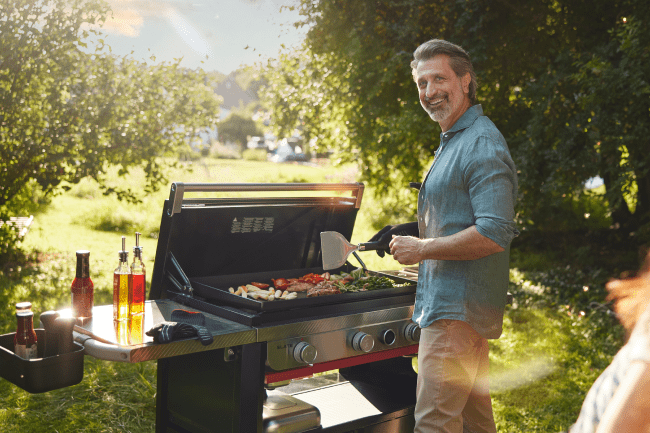
Weber Smart Grill New Model Selling Out Ahead of Summer Season
Backyard cooking has started to feel less like a weekend habit and more like a planning exercise. Shoppers are checking store pages earlier, comparing fuel types faster, and watching seasonal stock before the first big holiday cookout even lands. The Weber Smart Grill demand makes sense because American buyers want the comfort of a familiar grill brand with the help of connected controls, app guidance, and steadier temperature tracking.
That does not mean every household needs a phone-linked cooker on the patio. It means more buyers are asking a sharper question: can a new grill make summer hosting less stressful without turning dinner into a tech demo? Weber’s latest connected push arrives at the right moment for that question, especially for families planning Memorial Day, Father’s Day, Fourth of July, and late-summer football weekends. For readers following broader consumer tech and product news, the larger story is not only about one grill. It is about how connected outdoor cooking has moved from hobby circles into normal suburban backyards.
Why Weber Smart Grill Demand Is Heating Up Before Peak Cookout Months
The rush around a new model is not hard to understand once you look at how Americans shop for grills. A grill is not a casual cart add-on for most households. It is a patio anchor, a hosting tool, and sometimes the one purchase that decides whether summer meals happen outside or stay trapped in the kitchen. When smart grilling technology enters that decision, buyers start earlier because they want time to compare features, fuel type, app support, warranty, and retailer pickup options.
Seasonal shoppers are acting earlier than they used to
The old grill-buying pattern was simple. People waited until the weather warmed, walked into a home improvement store, and picked from whatever was lined up near the entrance. That still happens, but it is not how careful buyers shop now. They read reviews in March, watch setup videos in April, and start checking inventory before Memorial Day promotions take over.
That shift matters because the summer barbecue season has become crowded with planned events. A homeowner in Ohio might be replacing an aging gas grill before graduation parties. A family in Texas may want a steadier cooker before a July brisket weekend. A renter in Denver with a small patio may be hunting for a model that gives control without taking over half the outdoor space.
The non-obvious part is that early demand is not only about fear of missing out. It is about avoiding assembly panic. Nobody wants to unbox a connected cooker the morning guests arrive and then spend two hours pairing an app, learning a probe, and finding the right heat zone. Smart features reward buyers who practice before the party.
Weber benefits from trust before buyers even compare specs
Weber has one advantage many newer outdoor brands would pay heavily to borrow: people already know what the name means. For decades, the brand has sat in American garages, on apartment balconies where allowed, and beside backyard picnic tables. That history lowers the risk in a category where shoppers still worry about rust, uneven heat, weak lids, and parts that vanish after two seasons.
Connected outdoor cooking can feel risky when it comes from a brand with no grill history. A screen is nice, but it does not fix thin metal, poor airflow, or weak burners. Weber’s appeal is that the smart layer sits on top of a familiar promise: heat control, build quality, and support that should last beyond one summer.
That is why a new connected model can create more pressure than a normal product update. Buyers are not starting from zero. They already trust the cooking platform, so the app and temperature tools become reasons to move now rather than reasons to hesitate.
What the New Connected Cooking Push Means for Backyard Buyers
Weber’s larger 2026 direction points toward a broader smart ecosystem, not only one grill sitting alone on a patio. New connected Spirit and Genesis gas models, smart probes, charcoal add-ons, and wireless monitoring tools all point to the same idea: outdoor cooking is becoming easier to track without forcing every cook to stand beside the lid all afternoon.
Smart features are most useful when they solve boring problems
The best smart grilling technology does not try to impress your friends with a glowing display. It solves dull problems that ruin food. It tells you when the chamber is drifting. It helps you catch chicken before it dries out. It gives you a second set of eyes when you walk inside to prep buns, refill drinks, or stop kids from dragging wet towels across the living room.
That is the practical reason connected features matter. Burgers can forgive a distracted cook. Chicken breasts cannot. Pork tenderloin can go from perfect to chalky while someone is arguing over who forgot the ice. A connected thermometer does not make you a pitmaster, but it can stop one careless minute from becoming a tray of dry food.
The counterintuitive truth is that smart tools may help beginners less by adding instructions and more by adding confidence. A nervous cook opens the lid too much. Every peek dumps heat. When a display or app gives enough information, you can leave the lid closed and let the grill work.
The strongest buyers still care about fire, space, and cleanup
A connected grill still has to be a grill first. American buyers may like temperature alerts, but they still judge the purchase by marks on steak, melted cheese on burgers, and whether grease cleanup feels like punishment. That is where some smart appliances lose the plot. They sell the dashboard harder than the dinner.
A family cooking for six does not want a lesson in software. They want enough grate space for burgers, vegetables, and a few hot dogs for picky eaters. They want side shelves that hold trays without wobbling. They want wheels that roll over patio seams. They want a lid that feels solid when the wind kicks up.
This is why smart outdoor appliance buying guide content should never rank products by app features alone. The right question is simpler: does the connected feature protect the meal, or does it distract from it? If it protects the meal, it earns its place. If it turns grilling into screen-checking, it misses the spirit of the cookout.
Where Smart Features Help and Where Old-School Habits Still Win
The debate around connected outdoor cooking often gets silly. One side acts as if an app ruins the soul of grilling. The other side acts as if old-school cooks are guessing in the dark. Real backyard cooking sits in the middle. You can respect fire and still use a probe. You can love charcoal and still appreciate a steadier read on temperature.
Connected tools reduce mistakes, not responsibility
The strongest case for smart grilling technology shows up with foods that carry higher risk or tighter timing. Chicken, turkey burgers, pork, and thicker cuts benefit from internal temperature tracking. The USDA’s barbecue and food safety guidance is a good reminder that safe outdoor cooking depends on more than color, grill marks, or guesswork.
Still, a probe does not season the food. It does not clean the grates. It does not know your guests prefer onions charred instead of softened. A smart grill can help you avoid undercooking or overcooking, but the cook still needs taste, timing, and judgment.
That balance matters. The best smart tool makes you calmer, not lazier. It gives you more room to think about texture, smoke, sauce, and serving order. That is where the value lives for home cooks who host often.
Old habits still decide whether dinner feels alive
Ask any good backyard cook what guests remember, and the answer is rarely an app alert. People remember the smell when the lid opens. They remember a tray of corn brushed with butter. They remember the neighbor who wandered over because smoke crossed the fence at the perfect moment.
Old-school habits still carry the mood. Preheating the grates. Oiling food instead of drowning the grill. Setting up hot and cool zones. Resting meat before slicing. Keeping a clean plate ready for cooked food. These moves are not glamorous, but they decide whether a meal feels cared for.
The non-obvious insight is that smart tools may make those habits more visible. When temperature becomes easier to track, you start noticing how much lid-opening hurts heat. When a probe shows carryover cooking, resting meat stops feeling like wasted time. The technology does not replace craft. It can teach craft if the cook pays attention.
How to Decide Before Stock Gets Tight Again
A possible sellout story can push people into buying too fast. That is the trap. A grill is too big, too expensive, and too central to summer hosting to choose only because a product page says limited stock. The smarter move is to decide what kind of cook you are before the seasonal rush makes every option feel urgent.
Match the model to your real weeknight life
Start with your actual cooking life, not your fantasy patio life. If you mostly cook burgers, chicken thighs, sausages, and vegetables after work, a gas model with connected temperature help may serve you better than a heavier charcoal setup. If you love weekend smoke, slower cooks, and the flavor ritual, charcoal or pellet options may fit your style.
A couple in a townhouse outside Atlanta may care most about quick startup, modest footprint, and easy shutdown. A family in suburban Chicago may need more grate space and storage because cousins come over every Sunday. A backyard hobby cook in Kansas City may want smart probes more than app recipes because long cooks need tracking across several hours.
This is where summer patio setup ideas can connect with grill shopping. The grill has to fit the space, the table, the walkway, the shade, and the way people move during a party. A great cooker in the wrong corner becomes a problem you paid to create.
Do not pay for features you will ignore by Labor Day
The smartest buyer is not the one who buys the most connected model. It is the one who buys the model they will still enjoy using after the first month. If you hate app setup, do not pretend you will become a data-driven cook by July. If you love gadgets but rarely clean outdoor gear, think hard before adding more parts to manage.
Connected outdoor cooking works best when the feature matches an existing pain. Burning chicken? Use probes. Losing heat during long cooks? Track the chamber. Hosting while running in and out of the house? Remote monitoring can help. But if your main issue is not enough prep space, a smarter display will not fix a crowded side shelf.
The quiet buying rule is this: buy the grill that removes your most common frustration. Not the one with the longest feature list. That rule keeps the purchase grounded when seasonal ads start shouting.
Conclusion
A grill can carry more emotional weight than its spec sheet suggests. It shapes summer evenings, family routines, neighborhood drop-ins, and the small rituals people wait for all winter. That is why the current rush around connected Weber models feels bigger than a normal appliance cycle.
The Weber Smart Grill moment shows that American buyers want outdoor cooking to stay hands-on, but they also want fewer ruined meals and less guesswork. That is a fair demand. The best version of this trend does not turn the backyard into a control room. It gives cooks better timing, steadier heat, and more freedom to enjoy the people standing around the table.
If you are shopping before peak summer demand, do not let stock pressure make the whole decision. Choose by fuel, space, food habits, and the problems you want solved. Then buy early enough to practice before guests arrive. Your first cook should not be the big one.
Frequently Asked Questions
How much does a connected Weber grill usually cost?
Current connected models vary by size, fuel type, and feature set. Smaller smart gas options may sit near midrange pricing, while larger or premium setups can cost more. Always compare the model, warranty, cooking area, and included probes before judging the price.
Is a smart grill worth it for a beginner?
Yes, if the beginner worries about timing and internal temperature. App guidance and probe readings can reduce stress while the cook learns heat zones. It will not replace basic skills, but it can make early mistakes less common.
What is the best Weber grill for summer cookouts?
The best choice depends on your space and cooking style. Gas suits fast weeknight meals and parties. Charcoal suits flavor and ritual. Pellet models suit low-and-slow cooks. Pick the one that matches how you cook most often.
Do connected grills work without a phone?
Many connected grills still allow normal cooking without constant phone use, though features vary by model. Check whether the grill has an onboard display, manual controls, and probe readings at the unit before buying.
Why do grills sell out before summer?
Demand rises before Memorial Day, Father’s Day, and Fourth of July because shoppers want grills assembled before guests arrive. Retailers may also run early promotions, which can push popular models out of stock faster.
Are smart probes better than regular meat thermometers?
Smart probes are better for longer cooks or distracted hosting because they track temperature over time. A regular instant-read thermometer is still useful for quick checks. Many serious home cooks keep both.
What should I check before buying a new grill online?
Check fuel type, total cooking area, assembled dimensions, warranty, return policy, delivery method, and whether the unit includes needed accessories. Also confirm whether your patio, lease, or HOA allows that grill type.
How can I make a grill last longer?
Clean grates after cooking, empty grease systems, cover the grill after it cools, and store accessories away from rain. Once or twice a season, inspect burners, vents, wheels, and probe ports so small issues do not grow.