
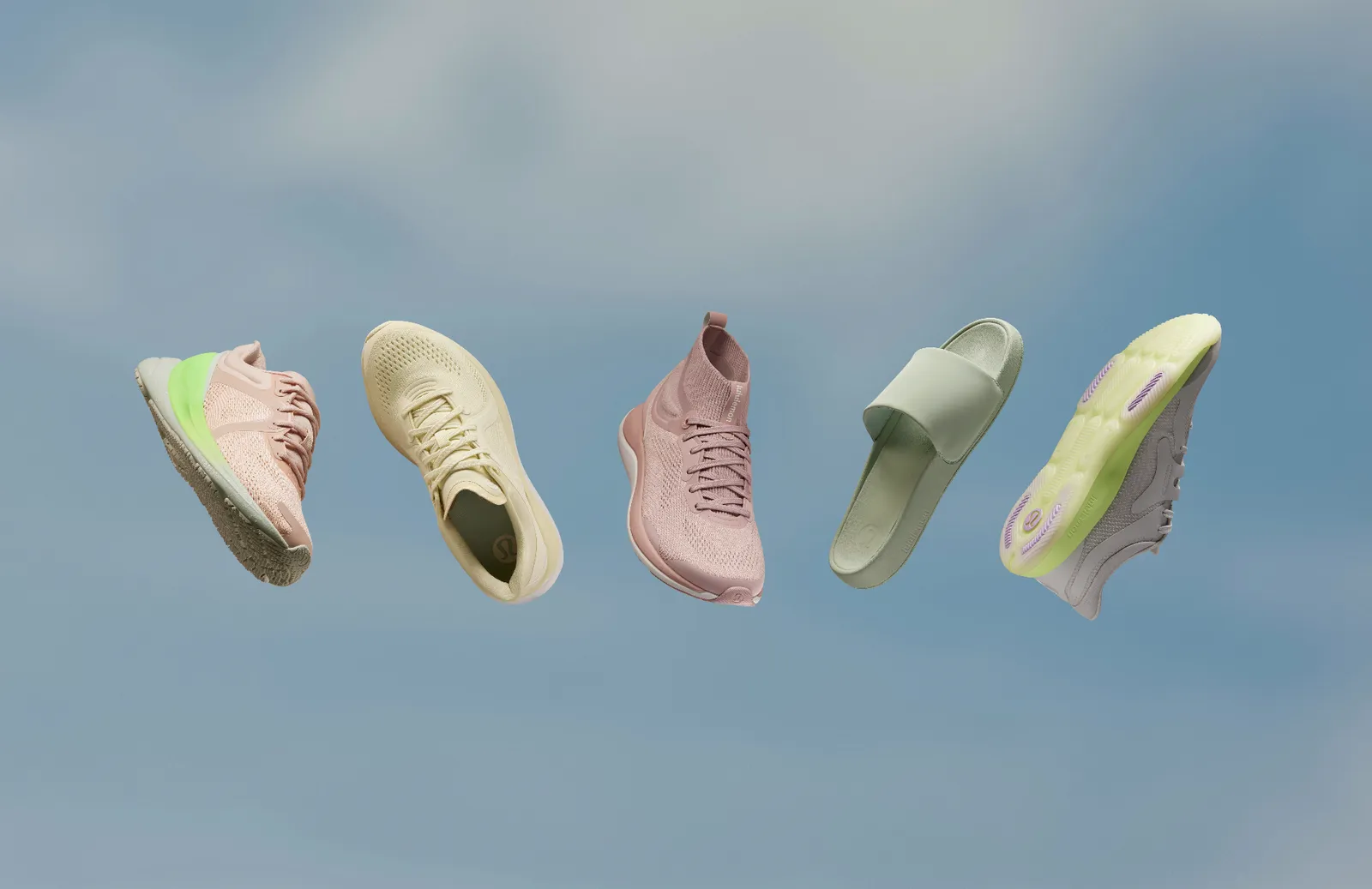
Lululemon New Running Shoe Line Challenging Established Athletic Footwear Giants
Most runners do not buy shoes because a brand tells a beautiful story. They buy them after the third mile, when the heel rubs, the forefoot feels tight, or the foam starts to feel dead under tired legs. The running shoe line from Lululemon matters because it enters that honest moment, not because the logo looks strong on a shelf. U.S. shoppers already know Nike, Brooks, Hoka, Adidas, ASICS, New Balance, Saucony, and On. That crowd leaves little room for a brand that built its name on leggings and studio gear. Still, Lululemon has one thing many shoe giants chase after the fact: trust from people who already dress for movement before they lace up. For readers who follow consumer product coverage, the bigger story is not whether Lululemon can sell a shoe. It is whether Lululemon can earn a repeat run. That is the only test that matters.
Why the Running Shoe Line Lands in a Crowded Market
The U.S. running wall is already packed. Walk into a Fleet Feet in Austin, a Dick’s Sporting Goods in Ohio, or a local running shop near Boston, and you see shoes sorted by gait, cushion, drop, width, trail grip, race foam, and injury history. Lululemon cannot win by saying, “We made sneakers too.” That message dies fast. Its better play is narrower: make shoes that feel natural for people who split their week between office life, strength classes, walks, and steady miles. That is not a small group. It is the middle of the American fitness market, where a shoe has to handle movement and still pass the mirror test before lunch. The person shopping there may not call themselves an athlete, but they still know when a shoe makes the body feel lighter or more annoyed. That buyer is harder to impress than brands admit, especially after a bad pair has ruined a week.
Lululemon Running Shoes Meet the Everyday Runner
The first buyer Lululemon needs is not the marathon obsessive with six pairs in rotation. It is the runner who does three miles before work, lifts twice a week, and wants one pair that does not look strange with joggers afterward. That buyer lives in suburbs, city apartments, college towns, and office-heavy neighborhoods where a shoe spends half its life outside the run.
Lululemon running shoes have to answer a simple question: can they feel good enough on pavement while still looking calm enough for the rest of the day? That sounds less technical than carbon plates and racing foam, yet it may be harder. A shoe made only for speed can ignore coffee runs and errands. A shoe made only for lifestyle can ignore shin pain. Lululemon sits in the gap between those needs.
Here is the non-obvious part: the brand does not need to beat Nike at Nike’s own sport. It needs to make the runner feel understood before the run starts. A woman heading to a 6 a.m. group run in Denver may already own Lululemon tights, a longline bra, and a half-zip. If the shoe fits her pace and her day, the brand has removed one decision from her morning.
Athletic Footwear Giants Are Fighting for Routine, Not Fame
The old sneaker battle looked like a billboard war. Athletes, medals, signature shoes, and huge moments carried the message. That still matters, but daily behavior now matters more. Shoes win when they become the pair by the door. The pair you grab without thinking.
That is where established athletic footwear giants face a softer threat. Lululemon does not walk in as a pure running lab. It walks in as a habit brand. People already use its clothes for yoga, airport outfits, dog walks, school pickup, strength work, and weekend travel. A shoe that joins that cycle can steal wear time before it steals race starts.
The tension is fit credibility. Runners forgive a shirt that feels off. They do not forgive a shoe that bruises a toe or makes the arch ache. Lululemon can borrow trust from apparel for one purchase, maybe two. After that, the outsole, midsole, upper, and heel counter must speak for themselves. This is where hype ends and miles begin.
There is another reason the threat feels different. Big shoe brands often divide buyers into neat lanes: racer, walker, trail runner, stability runner, gym athlete. Real people are messier. A nurse in Nashville may stand all day, walk the parking lot after dinner, and run on Sunday. A shoe that respects that mixed week can win without shouting.
Fit, Feel, and the Habit Test That Big Brands Often Miss
A running shoe does not need to impress you in the first ten steps. Plenty of shoes do that in a store. The better test comes after a week of small use: one treadmill run, one wet sidewalk walk, one grocery trip, one easy Sunday loop, and one day when your feet are already tired. That mix exposes bad design. It also rewards shoes that understand life around training. Lululemon’s current footwear range, from road options to gym-focused pairs, gives the brand a chance to speak to that wider week instead of one isolated workout. This is why the first impression cannot be only soft foam or a tidy color. The shoe has to feel settled during repeated use, because the modern buyer notices the small irritations that show up between planned workouts.
Daily Training Shoes Win When They Disappear
Daily training shoes should not beg for attention. They should land softly, bend where your foot bends, hold the heel, and avoid strange pressure across the top of the foot. When they work, you stop thinking about them. That silence is the compliment.
Lululemon’s challenge is to make comfort feel intentional, not vague. Cushion alone will not do it. Some soft shoes feel pleasant at first, then wobble when you turn a corner or step off a curb. Some firm shoes feel controlled but harsh after mile four. The sweet spot is a stable ride that lets a casual runner build a steady habit without feeling punished.
Think about a runner in Phoenix who starts before sunrise because the heat climbs fast. The shoe has to handle dry pavement, quick turns through a neighborhood, and a stop at a coffee shop afterward. That buyer may not care about race splits. They care that the shoe does not fight their foot. Comfort becomes loyalty when it removes friction from the day.
The Real Fit Battle Starts With Women, Widths, and Heel Hold
Lululemon’s early footwear story leaned into women’s foot shape, and that choice still gives the brand a clearer reason to exist. Many women have spent years choosing between shoes that pinch the forefoot, slip at the heel, or come in colors that feel like an afterthought. A brand that treats those complaints as design inputs can earn attention. It also changes the tone of the sale. The customer is not being asked to adapt to a men’s-first pattern scaled down in prettier colors.
The harder part is range. U.S. runners come with narrow heels, wide forefeet, high arches, flat arches, bunions, history of plantar pain, and different sock habits. A single fit profile cannot carry a serious footwear push. If Lululemon wants shelf space next to Brooks Ghost, Hoka Clifton, New Balance 880, or ASICS Gel-Nimbus, it needs more than one pleasant fit. Widths, clear model roles, and honest sizing notes matter more than polished names.
There is a quiet truth here: many shoe returns happen because the shoe felt almost right. Almost right is expensive. It creates doubt, returns, and reviews that say, “Loved the look, not the fit.” Lululemon can turn that weakness into a strength by being plain about who each model suits. The wrong promise hurts more than a narrow promise.
Why Lululemon Can Compete Without Chasing Race-Day Hype
Performance running has a loud top end. Carbon plates, high-stack foams, elite marathon wins, and limited drops grab attention. Lululemon does not need to live there first. The wider market is full of people who run for health, stress relief, body confidence, social time, and routine. The CDC physical activity guidance points adults toward regular aerobic work and strength training, which fits the exact rhythm many Lululemon shoppers already follow. That makes the brand’s best opening less flashy and more practical. It can sell the idea of staying active without making the buyer feel like they need a race bib to belong. That position has value in the U.S., where many adults are trying to build consistency more than chase personal records. A brand that treats a three-mile jog as worthy can meet people where they already are.
A Shoe Can Be Serious Without Being Built for Elites
A shoe does not become unserious because it is not made for a podium. Most running in America happens at normal speeds on normal routes. Sidewalks. Greenways. School tracks. Treadmills facing a row of TVs. That is where daily footwear earns its keep.
This is the lane where Lululemon can make sense. A runner who logs ten to fifteen miles a week may want cushion, grip, breathability, and a clean shape. They may never study stack height charts or foam compounds. They will still notice if their knees feel fresh after a week or if the upper rubs on a warm afternoon. They will notice the lace pressure during a downhill. They will notice whether the shoe squeaks on a gym floor after the run.
The counterintuitive point is that being less obsessed with elite racing may help Lululemon. Race shoes often solve problems that average runners do not have. They can feel unstable, narrow, loud, or too delicate for mixed use. A steady shoe built for repeated comfort may fit more American lives than a dramatic shoe built for one fast day.
Style Is Not a Weakness When the Run Still Feels Good
Running culture used to treat style as a guilty extra. That thinking is outdated. People wear their training clothes through the whole day now, and shoes are part of that public life. A pair can look polished and still perform. The issue is order. Function has to come first.
Lululemon has an edge because it understands outfits better than most running brands. A neutral shoe that works with black tights, tapered pants, a running vest, or a commuter jacket can get worn more often. More wear builds comfort with the brand. More comfort builds trust for the next purchase. This is how athletic footwear can move from gear closet to daily uniform without losing its purpose.
Still, the shoe cannot become a costume. If a runner in Chicago buys it for lakefront miles and ends up saving it only for errands, the product has failed as running gear. A clean shape may open the sale, but the second sale comes from pavement, sweat, weather, and time. Style gets the shoe noticed. The ride gets it bought again.
What U.S. Buyers Should Check Before Switching Brands
Switching running shoes is personal. Your current pair may be boring, but boring can be safe. The smartest buyer does not chase a brand switch for the logo. They check fit, use case, return policy, and how the shoe feels during the kind of run they do most. Lululemon’s footwear makes the conversation interesting, but the foot still gets the vote. This matters even more for runners coming back after a break, because enthusiasm can hide warning signs until the second or third outing. A shoe can feel exciting because it is different, not because it is right. Give that excitement a few runs before you trust it.
Test the Shoe Against Your Real Week
Do not judge a running shoe only on a store lap. Try to imagine the week it must survive. Maybe you run two miles on a treadmill, walk the dog on cracked sidewalks, lift on Thursday, and meet friends after a Saturday jog. That is the real exam.
A practical test starts with fit at the end of the day, when feet may swell. Check thumb space in front, heel security, toe spread, and whether the upper presses across the top of the foot. Then think about your main surface. Road miles need steady cushioning. Trails need grip and protection. Gym days need side-to-side support. One shoe may cover some overlap, but no shoe covers all needs equally.
For deeper planning, a running gear buying guide can help you compare categories before you buy, while a beginner running plan can keep your mileage from jumping faster than your body can handle. Shoes matter, but training errors can make any pair feel worse than it is. A careful shoe test protects your wallet and your knees.
Price, Returns, and Rotation Matter More Than the Logo
Lululemon sits in a premium price zone, so buyers should treat the purchase like gear, not impulse fashion. Ask what the shoe replaces. If it replaces a trainer you wear four days a week, the cost may make sense. If it adds a fifth casual pair to a closet, the value drops. Price feels different when a shoe earns miles.
Return policy matters because running shoes reveal themselves slowly. A pair can feel fine in a store and wrong after twenty minutes outside. U.S. shoppers should check trial rules before wearing them beyond the house. The best shoe brands reduce fear at the point of purchase because they know fit has risk. That policy can matter as much as the foam underfoot.
A small rotation can also protect the decision. Keep your trusted pair while testing the fresh one. Use the Lululemon pair for short, easy runs first, then add distance if your feet respond well. That slower switch sounds cautious, but it is the fastest way to avoid blaming a shoe for soreness caused by sudden change. Shoes need a fair test, and your body does too.
Conclusion
Lululemon’s move into running footwear should make bigger brands pay attention, but not because it will steal the marathon podium overnight. The threat is more ordinary and more dangerous. It can win the runner who wants one polished pair for morning miles, errands, travel, and light training. The running shoe line becomes meaningful if it makes that buyer feel seen without asking them to study shoe science for an hour.
The brand’s advantage is not magic. It is proximity. Lululemon already lives in the closet, gym bag, and weekend routine of many U.S. shoppers. The risk is that feet are less forgiving than fabric. A waistband can be flattering; a shoe has to behave under load. If Lululemon keeps fit honest, explains each model clearly, and lets comfort beat noise, it can become a real option beside the old names. Try the shoe for the life you actually run, not the life the ad suggests.
Frequently Asked Questions
Is Lululemon a serious running shoe brand now?
Yes, but seriousness depends on use. Lululemon is building real running and training footwear, yet buyers should match each model to their mileage, surface, and fit needs. It makes the most sense for runners who value comfort, clean design, and mixed daily wear.
Are Lululemon running shoes good for beginners?
They can be a good option for beginners who run easy miles and want a shoe that also fits daily life. New runners should focus on comfort, heel hold, toe room, and return rules before caring about advanced performance claims.
How do Lululemon shoes compare with Nike or Brooks?
Nike and Brooks have deeper running histories and wider model ranges. Lululemon competes more on fit feel, style, and crossover use. The better choice depends on your foot shape, weekly mileage, and whether you need a pure trainer or a mixed-use shoe.
What is the best Lululemon shoe for daily training?
The best choice is the model that matches your surface and routine. Road runners should look toward cushioned running options, while gym-focused buyers may prefer training shoes. Fit comes first, because a good-looking shoe still fails if it rubs or slips.
Can I wear Lululemon running shoes for walking?
Yes, many buyers can wear them for walking if the fit feels stable and comfortable. Walking places different stress on the shoe than running, so check heel comfort, arch feel, and how your feet respond after a full day.
Are Lululemon shoes worth the price?
They may be worth it if you wear them often for running, walking, travel, and casual use. They are harder to justify as a logo purchase. Compare them against your current pair and judge comfort over looks.
Should runners switch from their current brand to Lululemon?
Switch only if the shoe solves a real problem, such as poor fit, weak heel hold, or discomfort in your current pair. Keep your trusted shoes during the test period and add miles slowly so your body can adjust.
Do Lululemon running shoes work for long-distance runs?
Some runners may use them for longer steady runs, but the right answer depends on model, fit, pace, and your injury history. Test them first on short routes, then build distance if your feet, calves, and knees feel normal afterward.