
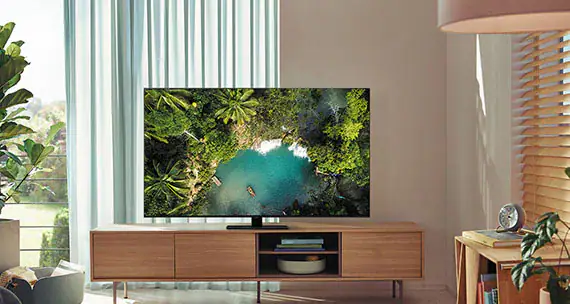
Samsung 98 Inch QLED TV Price Drops to Shocking New Low
A giant television used to feel like a rich-person mistake, the kind of purchase that made sense only in a basement with theater seats and a popcorn machine. That is why the current 98 Inch QLED discount has people paying attention. For U.S. shoppers, the story is not only “big TV gets cheaper.” It is that a screen close to projector size has moved into the same mental shopping zone as sofas, sectionals, and midrange appliances. A Samsung QLED sale near the two-thousand-dollar mark changes the question from fantasy to floor plan. You still need a wall, a strong mount, and honest math about your room. But the old answer, “too expensive for normal homes,” does not land the same way now. Shoppers who follow consumer tech price shifts know this pattern well: once a premium size drops hard, the whole category starts to feel less rare. The smart buyer will not rush because the number looks wild. The smart buyer will ask whether this big screen TV deal fits the room, the content, and the next five years of use.
Why the 98 Inch QLED Price Drop Feels Bigger Than a Normal Sale
The first reaction is easy: that is a huge television for the money. The better reaction is slower. A screen this large changes how a living room works, and that is why the price drop has more weight than a standard weekend discount. A $500 cut on a small bedroom TV is pleasant. A deep markdown on a near-wall-sized Samsung screen can change what a family thinks is possible. The sale also lands at a time when many U.S. homes already have the streaming apps, consoles, and sports habits that make a huge screen feel useful from day one.
A Living Room Screen Has Crossed Into Normal Buyer Math
For years, huge TVs lived in a strange middle space. They were easier to use than projectors but too costly for most families who wanted a Saturday football setup. That gap kept many buyers at 75 or 85 inches, even when their room could handle more. Now the price movement makes a 98-inch set feel less like a stunt.
That does not mean the purchase is casual. The box is massive. Delivery matters. Wall strength matters. A narrow stairwell can turn a good online order into a bad afternoon. Still, the math has changed. A buyer in Dallas with a 15-foot family room may now compare this screen against a premium 85-inch model instead of against a projector.
The counterintuitive part is that the giant screen may feel less wasteful than a smaller “better” TV in the wrong room. If your sofa sits far back, a sharper panel at 65 inches can feel underwhelming. Size has its own kind of picture quality because it lets your eyes catch faces, score bugs, subtitles, and background detail without strain.
The Price Is Only Part of the Room Decision
A low price can hide the second bill. Mounting, delivery, installation, HDMI cable runs, a soundbar, and furniture changes may add more than you expect. This is where many buyers talk themselves into a deal, then get annoyed when the room needs work.
Think about a split-level home in Ohio. The buyer sees the sale price, measures the wall, and clicks. The TV arrives, but the old media stand sits too low, the window glare lands across the panel at 4 p.m., and the sound feels thin because the screen overpowers the room. None of that means the TV was a bad buy. It means the screen became a room project.
That is the part deal pages rarely discuss. A home theater TV at this size is not one object. It is a setup. When the price drops, you have more budget left to make the setup work, and that may be the true win. The better way to think about the discount is as a space upgrade, not a gadget upgrade. Maybe you stop paying for a projector screen. Maybe you skip the extra basement renovation. Maybe you accept a plain soundbar now and add rear speakers later.
What the New Low Means for U.S. Buyers
The U.S. TV market loves big numbers: inches, refresh rates, brightness claims, and discount percentages. The problem is that not every number has equal meaning. A price drop on a Samsung set matters because shoppers already know the brand, but the better question is whether this model fits the way Americans watch now: sports, streaming, console gaming, YouTube, and family movie nights with the lights half on. A deal that looks wild on a product page may still fail if it ignores the room where the screen will live.
Big Sizes Are No Longer Only for Custom Install Homes
The old version of a large-screen room had dark paint, a receiver rack, hidden speakers, and one family member who knew how everything worked. That setup is still great. But it is no longer the only path. A giant QLED panel can sit in a regular suburban living room and wake up with a remote, an app, or a console.
That matters for buyers who want less fuss. A projector may give you scale, but it often asks for more control over light. A big QLED can handle a brighter room better, especially when kids are walking through, someone is cooking nearby, or the blinds stay open during an early NFL game. Simple wins.
A big screen TV deal also changes shared viewing. In an open-plan home, people may watch from the kitchen island, the sectional, and the hallway during a game. The screen does not need to create a private cinema mood every time. Sometimes it needs to be visible from the messy middle of family life. A parent folds laundry during the second quarter. A teenager checks the game from the breakfast bar. Guests talk over the pregame show. In that setting, size is not excess. It is function.
Why Cheap Can Still Be the Wrong Buy
A low sticker price can push people into ignoring model differences. Samsung sells several large-screen tiers, and the name on the box does not tell the whole story. Some models focus on size and value. Others add stronger backlighting, higher motion handling, anti-glare features, or richer contrast.
That is where the buyer has to be honest. If you mostly watch cable news, sitcoms, and Sunday games, the value model may be plenty. If you watch movies at night and care about dark-room contrast, you may notice blooming, black-level limits, or uneven shadow detail. The bigger the screen, the harder it is to hide flaws.
The surprise is that bargain hunting gets more demanding as the screen gets larger. On a 43-inch TV, a weak scene may pass. On a 98-inch screen, flaws walk across the wall. Price matters, but scale makes picture traits louder. This is also why reviews from smaller sizes can mislead you. A 65-inch version of a series may get praise, while the giant version uses a different panel source, different dimming behavior, or a different stand design. Read the exact-size details like someone who has to live with the box in the room.
How to Judge the Samsung Deal Before You Click Buy
Once the price makes sense, the buying process should get more careful, not less. Large TVs reward patient shoppers. Before you chase the sale timer, read the model name, compare retailer terms, and check whether the deal includes delivery or installation. A cheap checkout can lose its charm when the return window gets complicated. The goal is not to beat the internet to a sale. The goal is to avoid turning a discount into a bulky return problem. This matters more with oversized sets because the return is not a quick counter visit. You may need repacking help, a pickup window, and a second person who can move the TV without twisting the panel. A careful ten minutes before buying can save a full weekend after delivery, plus the awkward phone calls that follow.
Check Model Year, Panel Type, and Brightness Claims
Model names matter. A 2025 QLED value model and a high-end Neo QLED model can both carry Samsung branding and a huge screen size, yet sit in different worlds. One may be built to make size affordable. The other may chase stronger contrast, better dimming, and higher brightness. Same brand. Different buyer.
Do not shop by inches alone. Look at refresh rate, HDMI ports, gaming features, HDR support, warranty terms, and return policy. Console owners should care about input features. Sports fans should care about motion. Movie fans should care about black levels and how the panel handles dim scenes.
Here is a plain way to sort it:
- Choose the room first, not the TV.
- Choose the content you watch most.
- Pick the model that handles that content well.
- Treat the sale price as the final filter, not the first one.
That order saves people from buying the largest possible screen and then living with the wrong trade-offs. A Samsung QLED sale is tempting, but the right model is the one that matches your room after the excitement cools. Retail wording also deserves suspicion. “Class” size, smart platform names, processor names, and marketing badges can crowd the page until the real specs feel hidden. Slow down and look for the pieces that change daily use: ports, brightness behavior, viewing angles, stand width, and mounting pattern.
Measure Seating Distance Before You Measure the Wall
Wall width is the number everyone checks. Seating distance is the number that matters more. Samsung’s own guidance for its 98-inch class TVs points to about 9.8 feet as an optimal viewing distance, which means many American living rooms can handle the size better than buyers assume.
Still, comfort varies. If your sofa sits eight feet away, the screen may feel bold during movies and too dominant for casual news. If your sofa sits fourteen feet away, the size may feel natural. This is why tape on the wall helps. Mark the screen width and height, then sit down for ten minutes. Do not glance at it. Live with it.
A TV buying guide for large rooms should start with habits, not specs. Where do people sit? Does someone watch from an angle? Is there a window across from the wall? Will the TV sit above a fireplace? These boring questions save money because they expose fit problems before the truck arrives. There is another quiet test: turn your head. If your seating position makes you scan the screen like a tennis match, you may be too close.
Where This Deal Fits Against Projectors, OLEDs, and Mini LED Rivals
A lower price does not make one TV the best choice for everyone. It makes the comparison more interesting. Buyers looking at a huge Samsung QLED are often choosing among three paths: a projector for the largest image, an OLED for richer dark-room performance, or a Mini LED set from Samsung, TCL, Hisense, Sony, or another rival. The answer depends on how you live. A careful shopper should compare screens by behavior, not bragging rights. That means asking how the screen acts at noon, at night, during a fast game, and when someone sits off to the side. The winner is not always the model with the loudest sale badge. It is the screen that disappears into your routine after the first week.
A Giant TV Beats a Projector in Normal Family Rooms
Projectors still have charm. A 120-inch image can feel like an event, and for a dark basement, the right projector setup can be fantastic. But the average family room is not a theater. It has lamps, windows, pets, snacks, and people who do not want to learn a small system every time they watch TV.
That is where a huge QLED panel wins. It turns on fast, stays bright, and does not require a screen to roll down. There is no bulb worry, no throw-distance puzzle, and no argument about whether the room is dark enough. For many homes, that ease beats the extra image size.
The non-obvious insight is that projectors often feel more special but get used less. A large TV may feel less theatrical, yet it becomes part of daily life. If a screen gets used every night, the value story improves fast. Gaming makes that point stronger. A console on a projector can be fun, but lag, lighting, and audio routing can create friction. A big Samsung set is more likely to become the default screen for Madden, Fortnite, racing games, and split-screen nights.
The Better Rival May Be a Smaller Premium Screen
The toughest competitor may not be another huge TV. It may be a smaller premium set. A 77-inch or 83-inch OLED can deliver deeper blacks and better contrast in a dark room. A high-tier Mini LED can bring more precise brightness control. If your room is smaller, either choice may feel better than chasing maximum size.
Still, size has emotional force. For Super Bowl parties, NBA playoffs, UFC nights, and family movies, a 98-inch screen turns casual watching into a shared event. That is why shoppers should not reduce the decision to a spec fight. Specs matter, but the social use of the room matters too.
A home theater TV should fit the way your household acts when people are tired, loud, distracted, or half-watching from the kitchen. For more setup planning, use home theater setup ideas before buying mounts, lights, or speaker gear. Also check ENERGY STAR certified television guidance if power use matters in your buying decision. There is one more rival: doing nothing. If your current 75-inch set still looks good, the sale has to earn its place.
Conclusion
The new low on Samsung’s giant QLED is a sign that oversized TVs are leaving the fantasy aisle and entering normal U.S. living rooms. That does not make the purchase small. It means buyers now need better judgment, not more hype. The 98 Inch QLED deal is strongest for homes with enough seating distance, a wide wall, and a real use case for sports, gaming, movies, or group viewing. It is weaker for tight rooms, glare-heavy spaces, or buyers who care more about perfect black levels than screen scale. The best move is to treat the discount as an opening, then slow down. Measure the room. Check the model. Price the mount and delivery. Compare it against a smaller premium screen before you commit. If the setup fits, this could be the rare home theater TV purchase that feels bold on day one and practical years later. That is the kind of deal worth taking seriously, because the value comes from use, not from the discount banner. Buy the room, not the headline.
Frequently Asked Questions
How much is the Samsung 98-inch QLED TV after the price drop?
Current U.S. retail listings can move fast, but the most talked-about sale range sits near the two-thousand-dollar mark for Samsung’s 98-inch Q7F QLED model. Always check the final checkout page because delivery, installation, taxes, and regional stock can change the real cost.
Is a 98-inch Samsung TV too large for a normal living room?
It can work in many normal living rooms if the sofa sits far enough back and the wall is wide enough. Around ten feet of viewing distance is a useful starting point. Smaller rooms may feel overwhelmed, especially during casual daytime watching.
Is QLED better than OLED for a huge TV?
QLED often makes more sense in bright family rooms because it can deliver strong brightness at a lower price in huge sizes. OLED can look better in dark rooms, especially for movies with shadow detail. Your room matters more than the label.
What should I check before buying a giant Samsung TV?
Measure the wall, seating distance, doorway width, and stand or mount height. Then check the exact model year, return policy, HDMI ports, refresh rate, warranty, and installation terms. The screen size is exciting, but the setup details decide daily comfort.
Is this Samsung TV deal good for sports?
A huge QLED screen can be great for football, basketball, baseball, and UFC nights because the size helps groups see the action from across the room. Motion handling still matters, so compare refresh rate and real buyer feedback before ordering.
Should I buy a 98-inch TV or a projector?
Choose the TV if you want brightness, easy setup, and daily use in a mixed-light room. Choose a projector if you have a darker room, want an even larger image, and do not mind more setup work. Most families will use the TV more often.
Does a 98-inch TV need a soundbar?
A soundbar is strongly recommended. Huge screens make built-in TV speakers feel smaller because the image has so much presence. A midrange soundbar with a subwoofer can make sports, movies, and games feel better without building a full speaker system.
When is the best time to buy a big-screen TV?
Major sale periods like Prime Day season, Black Friday, Cyber Monday, and weeks before the Super Bowl often bring strong TV discounts. Older model-year inventory can also drop when new lineups arrive, so patient shoppers often win.