Nike Air Max 2026 Selling Out Within Minutes of Official Drop
A sneaker does not need every shopper to love it to vanish fast. It needs the right mix of noise, risk, story, and limited access. That is why Nike Air Max 2026 became a serious talking point for U.S. sneaker buyers after the Air Liquid Max release pulled attention across SNKRS, resale chatter, and Air Max Day coverage. Nike introduced the Air Liquid Max for March 26 through SNKRS and select retail partners, tying the model to decades of Air Max design while giving it a look that refused to blend in.
For readers who follow consumer market coverage, this drop shows how modern sneaker demand works now. The official Nike launch notes framed the shoe around point-loaded Air, a low-profile build, and a loud color story inspired by the poison dart frog, not a safe retro colorway. That mattered. Buyers were not chasing another clean white pair for errands. They were chasing a moment, a screenshot, and a shoe that looked strange enough to feel worth fighting for.
Why Nike Air Max 2026 Sold Out Faster Than Casual Buyers Expected
The sellout was not only about comfort or brand loyalty. It came from timing, design tension, and the old Air Max habit of making people argue before they buy. Nike placed the Air Liquid Max inside the bigger Air Max Day 2026 wave, where collectors were already watching release calendars, setting alerts, and checking stock windows. SneakerNews listed the launch pair at $230 with Nike SNKRS marked sold out, while later coverage described another Air Liquid Max return after a previous release sold out in minutes.
The Drop Was Built Around Scarcity Before the Cart Opened
Most shoppers think scarcity starts when sizes disappear. It starts earlier.
It starts when the product page goes live, the photos spread, and people realize the drop will not sit in every mall store. Nike said the Air Liquid Max would be available through SNKRS and select retail partners, which instantly changes buyer behavior. A shopper in Chicago, Dallas, or Los Angeles knows the easiest path is not a lazy Saturday store visit. It is an app notification, fast checkout, and maybe a backup plan.
That pressure creates a strange effect. Some buyers who were unsure at first become more interested once they feel access shrinking. The shoe’s odd look helps here. A plain release can wait. A strange one feels like it may become the pair people talk about later.
The counterintuitive part is that polarizing design can sell faster than safe design. Safe sneakers depend on broad approval. Weird sneakers depend on urgency. The Air Liquid Max had enough frog-skin texture, chrome flash, and visible Air drama to make people choose a side.
Air Max Day Turned One Shoe Into a Whole Event
Air Max Day is not a normal Thursday release. It works more like a holiday for sneaker people.
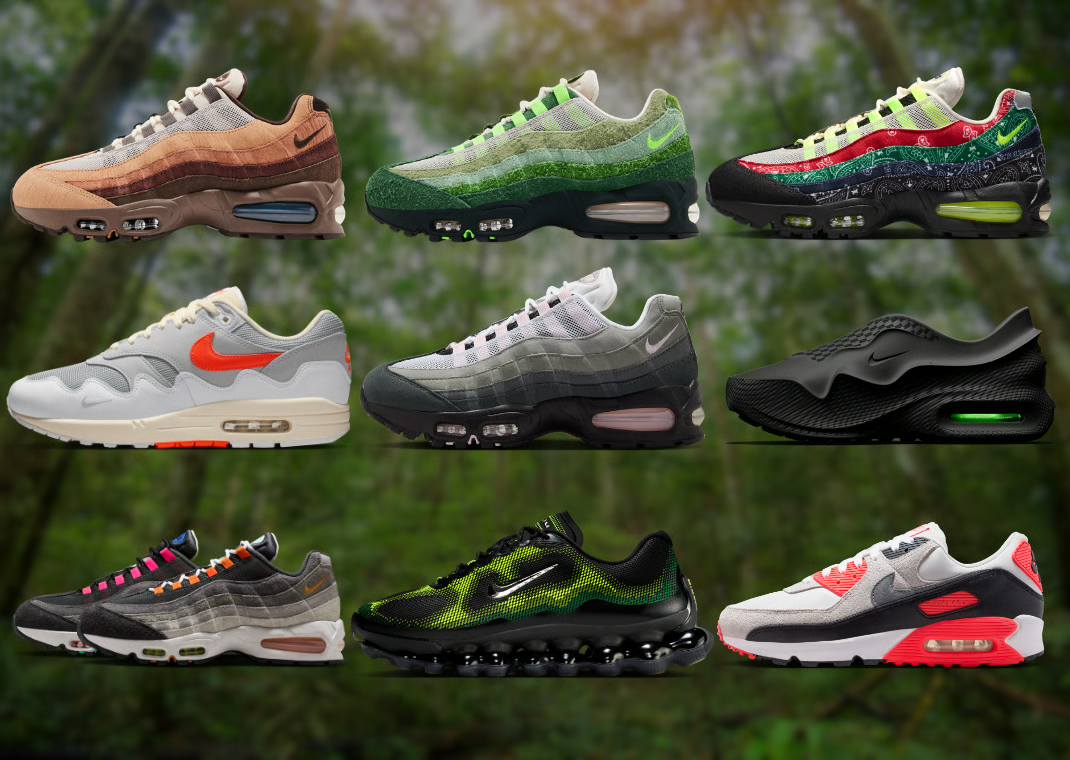
For 2026, Nike’s Air Max slate included the Air Liquid Max alongside other Air Max releases and collaborations, giving shoppers more reasons to watch the calendar instead of checking one product page alone. Sole Retriever reported that Nike had several Air Max Day releases planned, including the new Air Liquid Max silhouette, Air Max 95 styles, and other partner-linked drops.
That matters because demand stacks. A buyer may arrive for an Air Max 90 or Air Max 95, then notice the new silhouette. A collector may enter raffles for one pair and try SNKRS for another. A casual fan may see the same shoe posted by five accounts in one morning and assume the window is closing.
This is why an official drop can feel faster than the stock number alone would suggest. The crowd is already gathered before the door opens.
The Design Choice That Made Sneaker Fans Pay Attention
The Air Liquid Max did not chase the quiet luxury mood that has shaped many recent footwear buys. It went loud, glossy, and strange. Nike described the launch colorway as using dramatic green hues, a chrome Swoosh, a shiny finish, and a translucent outsole, with visual cues pulled from the poison dart frog. That is a hard sell for some people. For sneaker culture, that is also the point.
The Air Liquid Max Look Was Almost Too Loud to Ignore
A normal running-inspired shoe can get lost in a feed. The Air Liquid Max was harder to scroll past.
The upper used layered texture and a bold green story that looked more like a creature than a basic lifestyle sneaker. That choice gave the shoe instant identity. You could dislike it and still remember it. In a sneaker market full of neutral pairs, that memory is worth money.
There is also a smart tension in the design. Air Max history is built on visible cushioning, but the Air Liquid Max did not simply repeat the old “big window” formula. Nike described a point-loaded Air setup placed where needed underfoot, with open negative spaces that reduce extra material and shape the shoe’s geometry. It looked technical, but not in a gym-only way.
For U.S. buyers, that can be the sweet spot. A shoe needs enough function to feel believable and enough theater to feel worth posting. The Air Liquid Max had both.
New Air Technology Gave the Hype a Reason to Exist
Hype without a product story fades fast. This drop had a better hook.
Nike tied the model to four decades of Air Max learning and described the ride as soft, smooth, and stable, with a flexible Air unit designed to sit low to the ground. That gave buyers something to repeat beyond “it looks wild.” When a sneaker has a design claim, people can defend the purchase.
Still, the deeper reason the shoe worked was emotional. Air Max buyers have been trained to expect visible experiments. Some fail. Some become cult pairs. Some look odd for a year, then come back as proof that the buyer was early.
That is the non-obvious lesson. The first release of a new silhouette does not need universal love. It needs enough people to believe it may age well.
For anyone building a personal rotation, that is why how sneaker resale prices move after drops matters as much as the product photo. A risky first colorway can dip, climb, or freeze depending on how the next colorways land.
What the Sellout Says About U.S. Sneaker Buying in 2026
The modern sneaker buyer is not only buying shoes. You are buying access, timing, proof, and sometimes relief. That sounds dramatic until you watch a SNKRS release window close before your size loads. The official drop model has taught shoppers to prepare like they are buying concert tickets.
SNKRS Trained Buyers to Move Before They Think
SNKRS changed the rhythm of sneaker shopping.
In older retail, you could walk into a store, hold a shoe, think about it, leave, and maybe come back. Limited online launches punish that behavior. Now the decision often happens before the release. You study photos, check sizing talk, save payment details, and decide your price limit in advance.
Nike’s U.S. launch calendar remains the central place many shoppers watch for upcoming drops and release details, which keeps attention close to Nike’s own channels. That gives the brand control over the moment. It also gives buyers one more reason to treat notifications like alarms.
Here is the hard truth. Many buyers are not asking, “Do I want this pair?” at launch time. They are asking, “Will I regret missing it?”
That fear can move faster than taste.
Resale Pressure Starts Before Anyone Lists a Pair
The resale market does not wait for shoes to arrive at front doors.
Once a release is marked sold out, the mental price of the shoe changes. A shopper who missed retail checks listings. A buyer who hit wonders whether to keep, wear, or flip. A fence-sitter starts looking at screenshots instead of official photos. This is where sneaker resale prices begin shaping the story, even before the wider public has seen the shoe in person.
The Air Liquid Max had another force behind it: a first-model premium. SneakerNews listed the launch SKU IQ7634-001 and retail price at $230 for the U.S. release. That is not a throwaway price. At that level, buyers expect a concept, not plain foam and a logo.
The counterintuitive part is that higher retail can sometimes help hype if the shoe feels limited and experimental. A cheaper price may invite casual buyers. A higher price filters the audience down to people who already care. Smaller, more committed crowds can sell out a drop fast.
For planning future releases, a sneaker release calendar guide is not optional anymore. It is how buyers avoid learning about a launch after the best sizes are gone.
How Buyers Should Read the Next Air Max Drop
The lesson is not “buy every Air Max before it sells out.” That is how collectors burn money and closet space. The better lesson is to read the signals before the official drop. Some releases are loud but shallow. Others have a product story, a calendar moment, a first-colorway angle, and enough limited access to turn hesitation into an L.
Check the Story, Not Only the Colorway
Color is the easiest part to judge. Story is harder.
With the Air Liquid Max, the story had several layers: new silhouette, Air Max Day placement, poison dart frog inspiration, point-loaded Air, and a launch colorway that looked unlike most everyday sneakers. That gave the shoe more than one reason to travel through social feeds.
A practical buyer should ask simple questions before entering a draw or waiting on SNKRS. Is this a first release? Is Nike treating it as a design milestone? Are retailers limited? Is the colorway tied to a clear concept? Are sneaker accounts covering it because of paid interest, true collector demand, or both?
No single answer proves anything. Together, they tell you whether the drop has real heat or borrowed noise.
The non-obvious move is to ignore some early comments. New silhouettes often get mocked first. The loudest people are not always the ones buying. Watch behavior, not jokes.
Decide Before the Drop Whether You Are Wearing or Chasing
A sellout can make a shoe feel more desirable after the fact. That is dangerous.
Before a release opens, decide your role. If you want the shoe to wear, know your size, budget, and comfort risk. If you want it as a collectible, know whether the first colorway matters more than the later colors. If you are thinking about resale, know that fees, shipping, taxes, and market swings can erase the win fast.
For the Air Liquid Max, the bold launch look made that decision sharper. A green, frog-inspired pair is not the same as a black everyday sneaker. It asks for confidence. It may sit unused if you bought only because other people lost.
That is where smart buyers separate themselves. They do not treat every sellout as a command. They treat it as information.
A fast official drop tells you the crowd moved. It does not tell you whether the shoe belongs in your life.
Conclusion
Sneaker sellouts can look simple from the outside, but the Air Liquid Max release shows how many small forces meet at once. Nike had a new Air story, a loud visual identity, Air Max Day timing, SNKRS attention, and a buyer base trained to act fast. That mix turned a strange-looking shoe into a serious drop.
The smarter read is not that Nike Air Max 2026 was magic. It was a case study in how access, design risk, and release culture now shape U.S. sneaker demand. The buyers who understood the moment had a better chance. The buyers who waited for public agreement likely saw sold-out screens.
Next time, do not chase every loud release. Study why people want it, decide your ceiling, and move only when the shoe makes sense for your rotation. Hype fades, but a pair you actually wear keeps earning its spot.
Frequently Asked Questions
Why did the Nike Air Liquid Max sell out so fast?
Demand came from a mix of new Air Max technology, Air Max Day timing, limited SNKRS access, and a bold launch colorway. The shoe also had first-silhouette energy, which often pulls in collectors who want the earliest version of a new Nike design.
Was the Air Liquid Max the main Air Max Day 2026 release?
It was one of the headline releases because it introduced a new silhouette rather than only bringing back a retro pair. Other Air Max Day drops also drew attention, but the Air Liquid Max stood out because it gave Nike a fresh design story.
How much did the Air Liquid Max cost at retail?
The U.S. launch pair was listed by sneaker release trackers at $230. Prices can vary by country and later colorway, so buyers should check Nike, SNKRS, or confirmed retail partners before assuming one fixed price.
Is the Air Liquid Max good for everyday wear?
It can work for daily wear if you like bold sneakers and want visible cushioning with a modern build. The launch colorway is not subtle, so it fits better with simple outfits than with clothes that already have loud patterns.
Will Nike restock the Air Liquid Max again?
Restocks are possible, especially when Nike wants to support a new silhouette, but they are never guaranteed. The best move is to watch SNKRS, Nike’s launch calendar, and trusted retail partners instead of relying on resale rumors.
Are sneaker resale prices higher after a fast sellout?
They often rise right after a fast sellout, but that jump can cool once pairs ship and more sellers list inventory. A strong long-term price usually needs lasting demand, low supply, and a colorway collectors still want months later.
What size should buyers choose in a new Air Max model?
New silhouettes can feel different from classic Air Max pairs, so buyers should check Nike’s size guidance and early wearer feedback. When possible, compare the model to shoes you already own instead of guessing from photos alone.
Is it worth buying a sold-out Air Max pair on resale?
It depends on your budget, how much you will wear the shoe, and whether the resale markup feels fair after fees. Paying extra makes more sense for a pair you truly want than for a release you only noticed after it disappeared.